Description
Geyer's monkeyflower (Erythranthe geyeri) is a perennial herbaceous plant belonging to the Phrymaceae family. Previously classified under the Scrophulariaceae family, the genus Erythranthe has gained recognition for its distinct physiological traits that differentiate it from other related genera. This plant is known for its preference for wet, riparian habitats and its delicate aesthetic profile.
The native range of this species is primarily located in North America. It is commonly found in wetlands, marshy meadows, along the edges of streams, and in areas where the soil remains consistently saturated throughout the growing season. Its distribution pattern is strictly tied to high-moisture environments, reflecting the plant's evolutionary adaptation to aquatic and semi-aquatic niches.
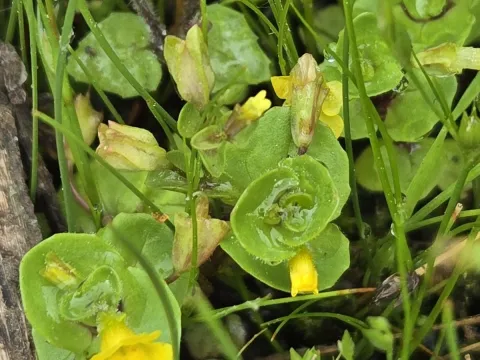
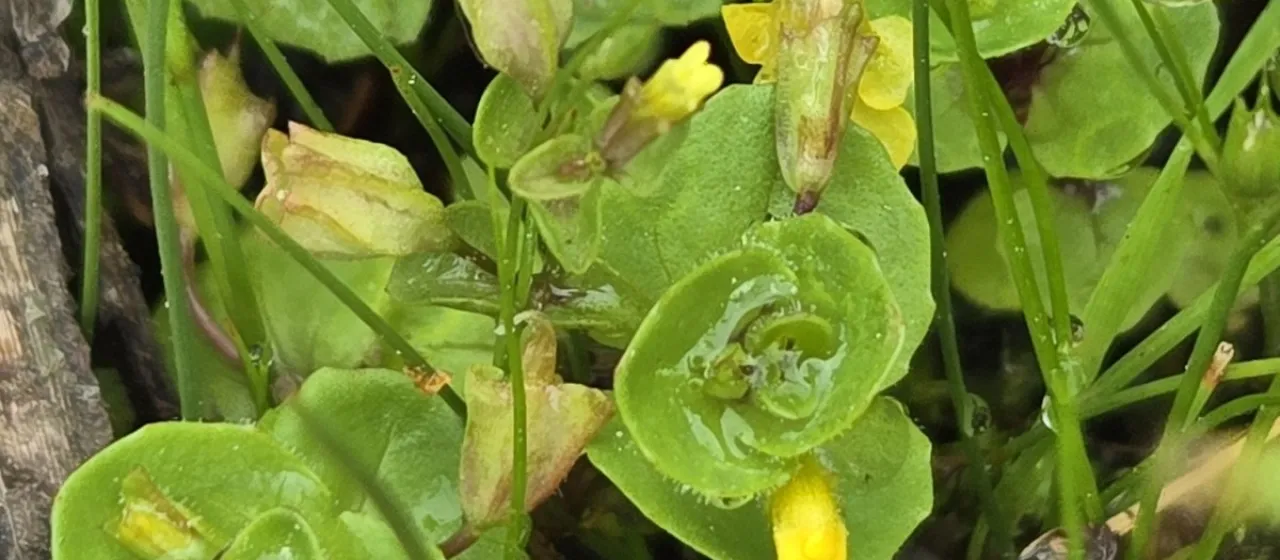
Botanically, Erythranthe geyeri features succulent, slender stems and opposite leaves. The flowers are the most distinct aspect, displaying the classic two-lipped form associated with the monkeyflower genus. The corolla often showcases vibrant pink or lavender hues with contrasting spots in the throat, which function as honey guides to attract specific pollinators such as bees and syrphid flies.
Agricultural and horticultural practices for this species require a deep understanding of its hydric needs. It is rarely grown as a conventional field crop, but rather as an ornamental plant for water gardens or bio-filtration zones. The substrate must be rich in organic matter and maintained at a high moisture level. Full sun is tolerated only if the root system is kept constantly wet; otherwise, partial shade is recommended.
Regarding health management, Geyer's monkeyflower is susceptible to common wetland-associated issues. Slugs and snails are the primary pests that can defoliate the plant during the spring. Furthermore, poor air circulation can lead to fungal infections such as powdery mildew or various leaf spots. Proper management involves avoiding overcrowding and ensuring that the plant environment is not excessively stagnant to mitigate pathogen spread.
Photo gallery