Description
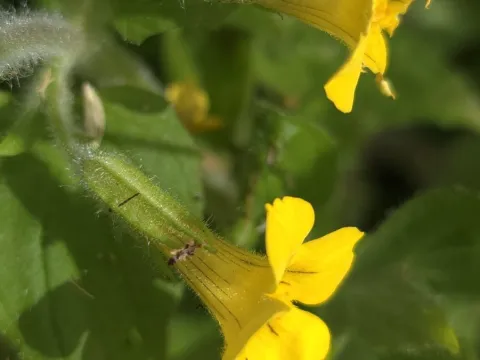
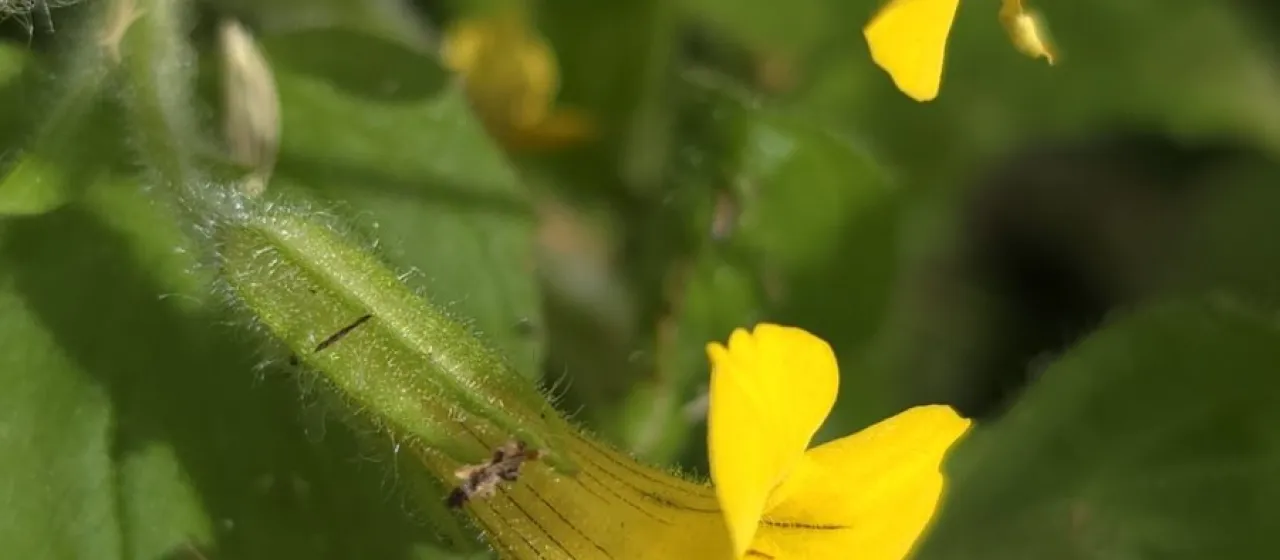
The musk monkeyflower (Erythranthe moschata) is a unique herbaceous plant belonging to the Phrymaceae family. Historically celebrated for the pleasant, musky fragrance of its foliage, this species is now prized primarily for its delicate charm and adaptability. It typically exhibits a low-growing, spreading habit, with stems covered in fine, sticky, glandular hairs.
Originating from Western North America, the plant naturally inhabits damp, shaded environments such as streambanks and wet forests. Its geographical range as a cultivated plant now spans various temperate climates globally, where it is favored for its resilience in moist conditions. It performs exceptionally well in gardens that provide the cool, damp microclimates it requires to thrive.
Botanically, the plant is distinguished by its opposite, ovate leaves and trumpet-shaped yellow flowers, which often feature red or brownish spots in the throat. These blooms provide a striking visual appeal and attract various pollinators. The plant's growth habit makes it a perfect choice for ground cover or for spilling over the edges of pots, usually reaching a modest height of about 20-30 cm.
Regarding agrotechnical requirements, the musk monkeyflower demands consistently moist, humus-rich soil. It thrives best in partial shade, as intense direct sunlight can scorch its leaves and dry out the root zone too rapidly. Consistent watering is essential, as the shallow root system is highly sensitive to dehydration. Providing a protected spot with good air circulation helps maintain plant health throughout the growing season.
In terms of usage, the musk monkeyflower is a staple in ornamental horticulture, particularly for water gardens and container displays. While generally robust, it can be susceptible to common garden issues such as powdery mildew, especially if planted too densely. Insect pests such as aphids and slugs are the most frequent threats, necessitating regular monitoring and integrated pest management strategies to protect the foliage.
- Thrives in environments with high ambient humidity.
- Can be propagated easily from stem cuttings or seeds.
- Benefits from liquid fertilizer applications during the blooming phase.
- Maintains best form with light pruning after the primary flowering period.
Photo gallery