Description
The Yellow monkeyflower (Erythranthe lutea), previously classified within the genus Mimulus, is a perennial herbaceous plant belonging to the Phrymaceae family. It is renowned for its vibrant yellow flowers and its specific preference for habitats with consistently high levels of soil moisture.
Originally native to South America, particularly the Andean regions, the plant is naturally adapted to environments such as riverbanks, marshy meadows, and cool, moist slopes. Due to its decorative appeal, it has been introduced to various temperate climates, where it thrives in garden settings that mimic its natural damp conditions.
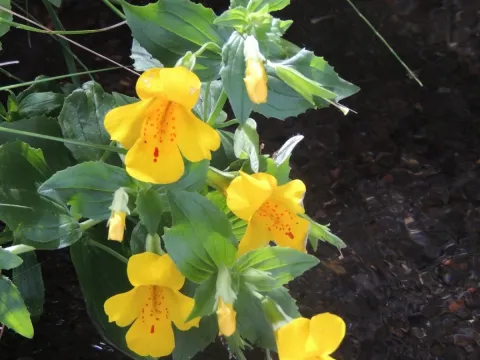
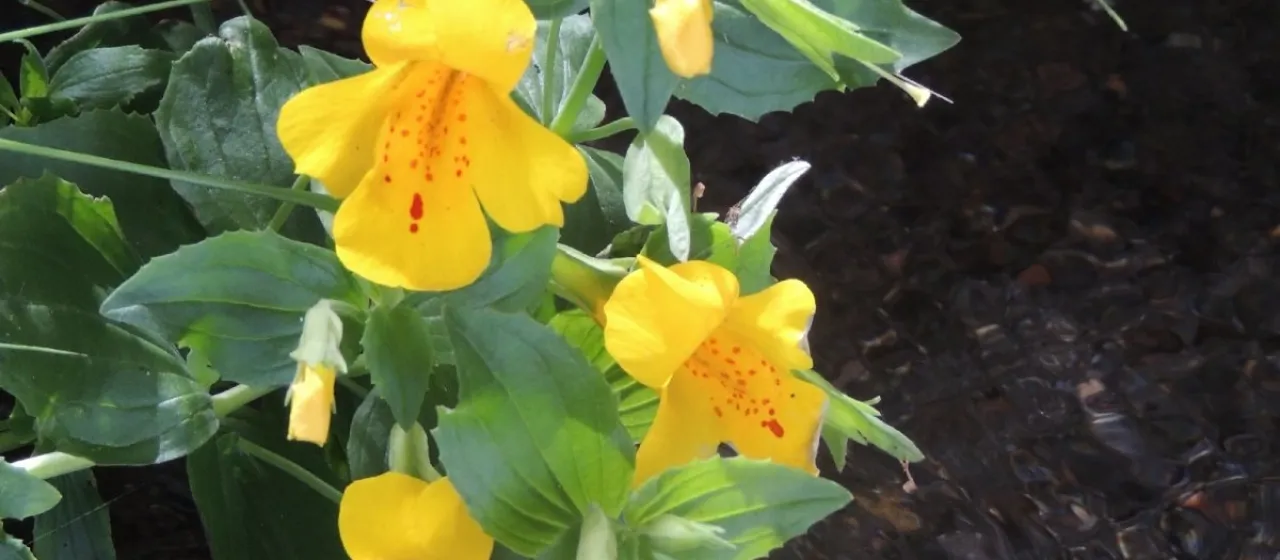
Botanically, the plant develops stems that typically reach 20–50 cm in height. The foliage is bright green and opposite, often featuring a serrated leaf margin. The most striking features are the tubular, snapdragon-like flowers characterized by a brilliant yellow color with intricate reddish or brownish spots in the throat, which serve to attract pollinators.
Agricultural requirements for Erythranthe lutea are centered on moisture management. The plant thrives in humus-rich, constantly moist, or wet soils. It performs best in partial shade, as excessive direct sunlight can cause the plant to wilt rapidly if the soil is not kept sufficiently hydrated. Regular monitoring for moisture is the most critical aspect of its cultivation.
- Consistent watering to keep the root zone damp.
- Regular application of a balanced liquid fertilizer during the blooming period.
- Protection against slugs and snails, which are the primary pests.
- Provision of a mulched surface to regulate soil temperature and moisture.
In terms of economic and practical use, the Yellow monkeyflower is primarily an ornamental crop. It is highly valued in landscape architecture for planting along the margins of ponds, in rain gardens, and in bog gardens where other perennials fail. By filling these niche, water-saturated environments, it serves as an excellent botanical solution for difficult, damp garden areas.
Photo gallery