Description
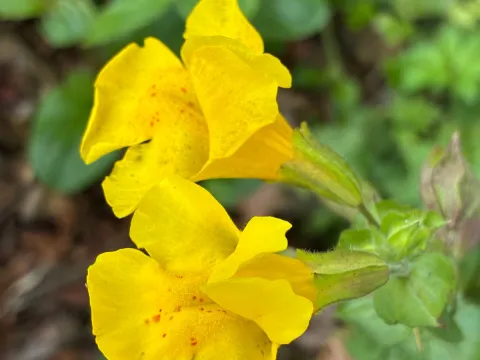
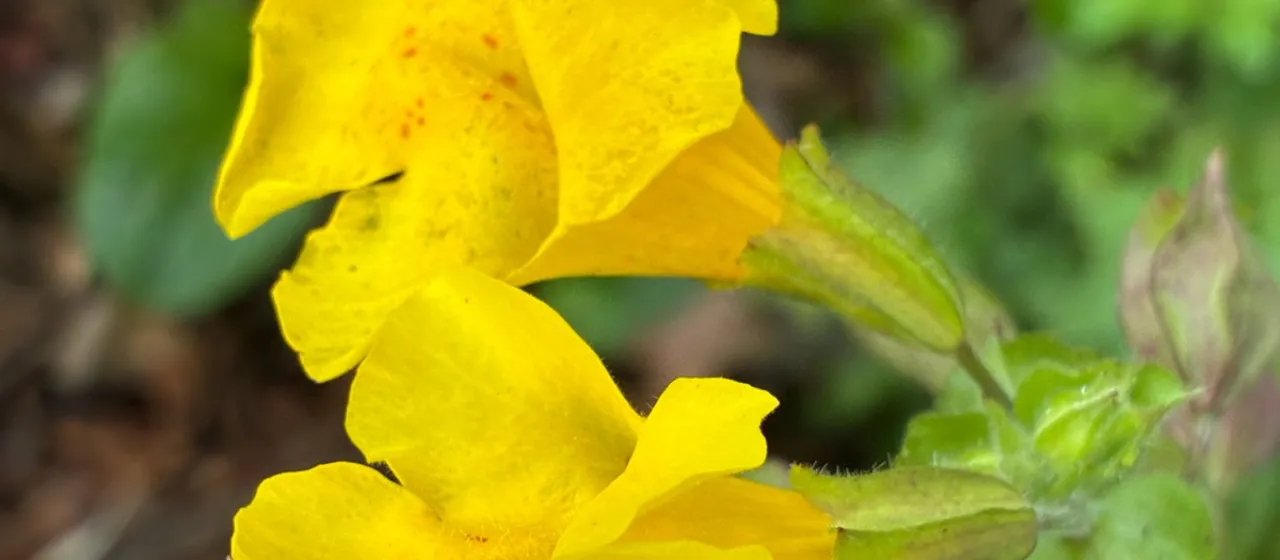
Seep monkeyflower, scientifically identified as Erythranthe guttata, is a prominent perennial herbaceous plant belonging to the Phrymaceae family. Historically grouped with the genus Mimulus, it is recognized for its vibrant, yellow, tubular flowers featuring reddish-brown spots. This species is highly regarded for its aesthetic value and ecological adaptability in wet environments.
The species originates from North America, where it naturally occurs in damp habitats such as streambanks, seeps, and marshes. Due to its robust nature, it has been introduced and naturalized in various temperate regions globally. It thrives in environments where water is abundant, making it a preferred choice for areas that are otherwise difficult to cultivate due to excess moisture.
Botanically, the plant features succulent-like stems and opposite, serrated leaves that create a lush foliage backdrop. Its hallmark is the complex flower structure, designed to facilitate pollination by bees and other insects. Under optimal conditions, the plant can spread through vegetative runners, forming dense mats that serve as a natural ground cover in moist garden beds.
Regarding agrotechnical requirements, the seep monkeyflower demands consistent moisture levels. It performs best in nutrient-rich, loamy soils that can retain water without becoming stagnant. While it favors full sun exposure, it tolerates partial shade, especially in hotter climates where mid-day protection prevents leaf scorch. Propagation is effective through seeds or division of mature root systems in the early spring.
Economically and horticulturally, this plant is extensively used in water gardening and riparian restoration projects. Its ability to stabilize soil along water bodies makes it a functional component of sustainable landscaping. While generally hardy, cultivators must monitor for common issues such as aphids, slugs, and fungal infections, particularly if the plant is grown in areas with poor ventilation or improper drainage.
Photo gallery