Description
Escallonia alpina is an evergreen shrub belonging to the Escalloniaceae family. Known for its compact growth habit and resilience, this species is a highly valued plant in temperate climate gardening, particularly appreciated for its ability to survive in challenging environments where other shrubs might fail.
The origin of Escallonia alpina is primarily traced to the high-altitude regions of the South American Andes, specifically within parts of Chile and Argentina. This mountainous background has equipped the plant with an inherent tolerance for fluctuating temperatures, high winds, and rocky terrains, making it an exceptionally durable choice for gardens situated in cooler, rugged regions.
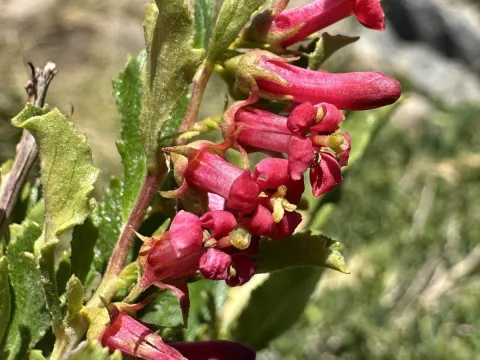
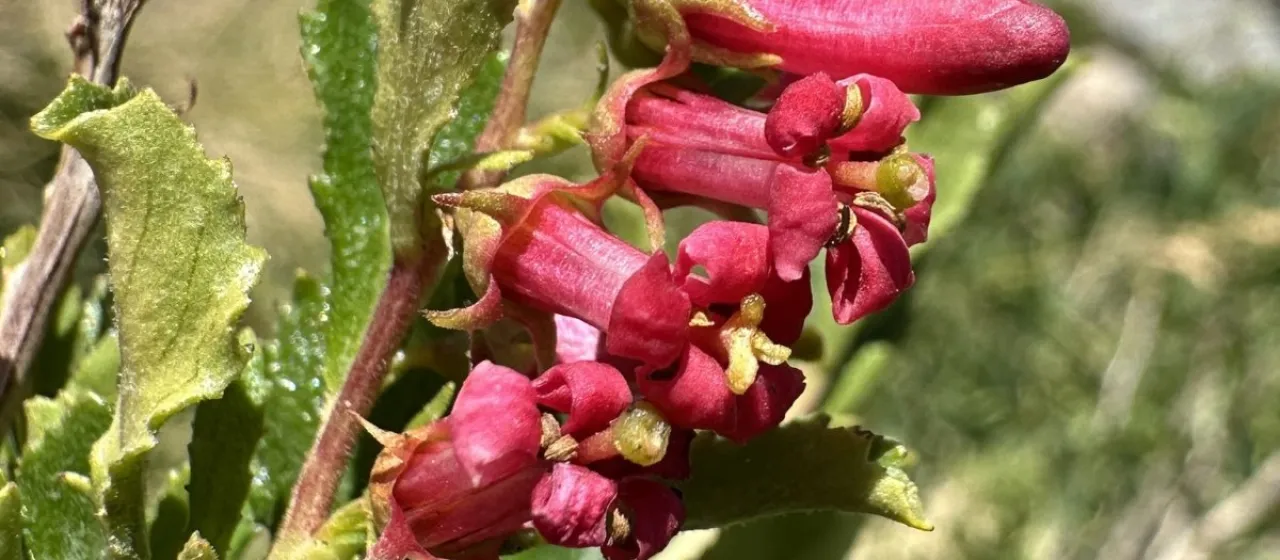
Botanically, this shrub is characterized by its small, dense, leathery leaves that provide year-round interest. During the flowering season, it produces terminal racemes of small, tubular flowers, typically in shades of white or light pink, which attract pollinators. The overall structure is bushy, with branches that are flexible yet sturdy enough to resist heavy snowfall.
Regarding agrotechnical requirements, Escallonia alpina thrives in well-drained, slightly acidic soil. It requires a sunny location to maximize flower production, though it can tolerate partial shade in hotter climates. Irrigation should be moderated to avoid waterlogging, which is a common cause of failure in heavier clay soils; adequate mulching is recommended to maintain stable soil temperature.
In terms of хозяйственное usage, it is widely utilized for landscape architecture, including the creation of low-growing hedges, rock gardens, and container planting. It serves as an excellent stabilizer for slopes due to its root structure, and its evergreen nature makes it a staple for year-round garden greenery and structural integrity in borders.
Common issues to monitor include:
- Powdery mildew development during periods of high humidity.
- Root rot resulting from poor soil drainage.
- Infestations of aphids during the early spring growth period.
Photo gallery