Description
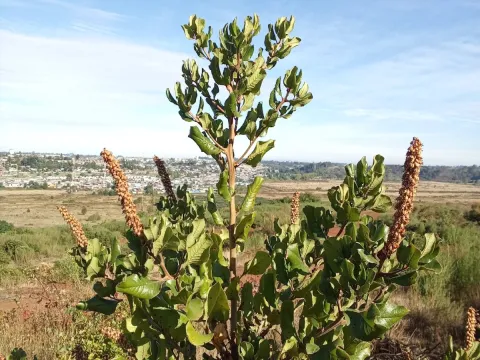
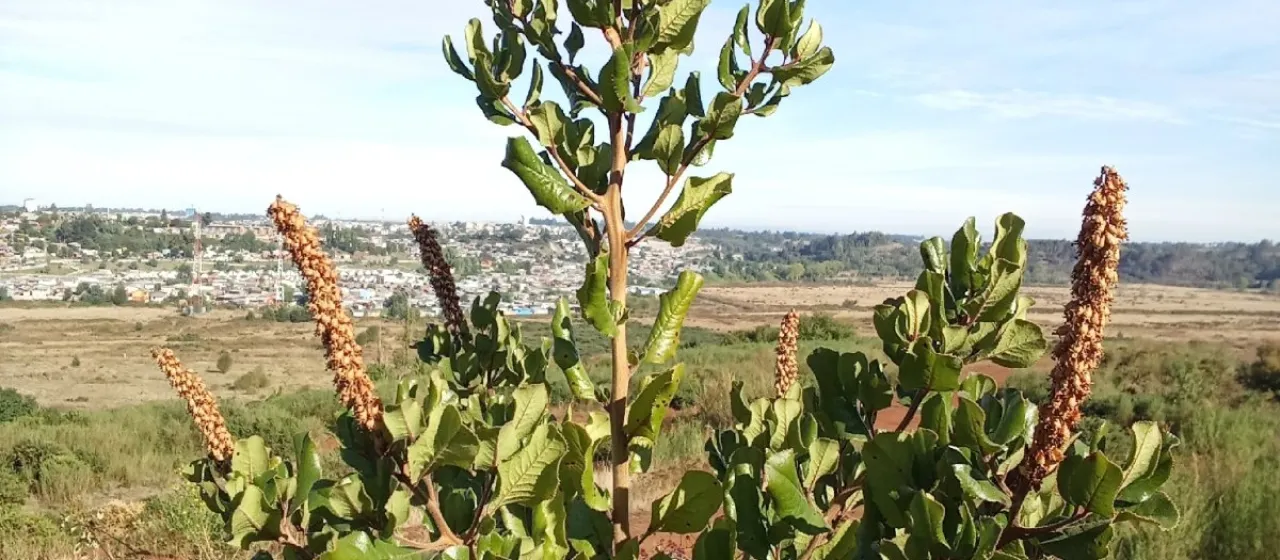
Escallonia pulverulenta is an evergreen ornamental shrub belonging to the Escalloniaceae family. In the horticultural landscape, it is recognized for its dense foliage and sticky, glandular pubescence on the leaves, a feature that distinguishes it within the genus and provides a unique texture to garden borders.
Native to Chile, the plant thrives in various mountain and foothill regions. Its natural habitat is characterized by a Mediterranean climate, where it has evolved to tolerate specific environmental conditions, including seasonal rainfall patterns and exposure to direct sunlight in well-drained rocky soils.
Botanically, the species is defined by its small, alternating leaves and terminal racemes of white or cream-colored flowers. The plant exhibits vigorous growth, allowing it to serve effectively as a structural component in landscaping, particularly in warmer climate zones where it can form robust, evergreen hedges.
Agrotechnical requirements for successful cultivation include planting in well-draining, fertile soil with a neutral to slightly acidic pH level. It prefers sunny locations with some protection from strong, desiccating winds. Proper irrigation is crucial; the plant requires consistent moisture during the establishment phase but must avoid waterlogged conditions to prevent root rot.
Common issues include susceptibility to aphids and scale insects, which can be managed with standard horticultural practices. Fungal diseases may occur in poorly ventilated or excessively damp environments, making regular pruning for airflow essential. The shrub is primarily used for its aesthetic value in private and public gardens, requiring minimal intervention once established in an appropriate climate.
Photo gallery