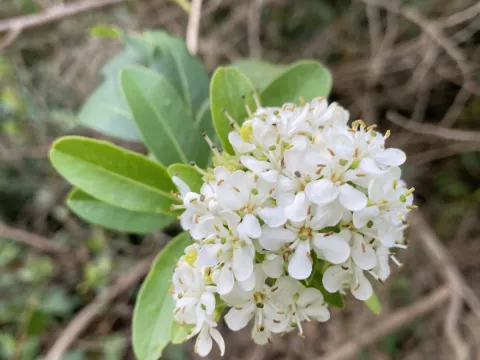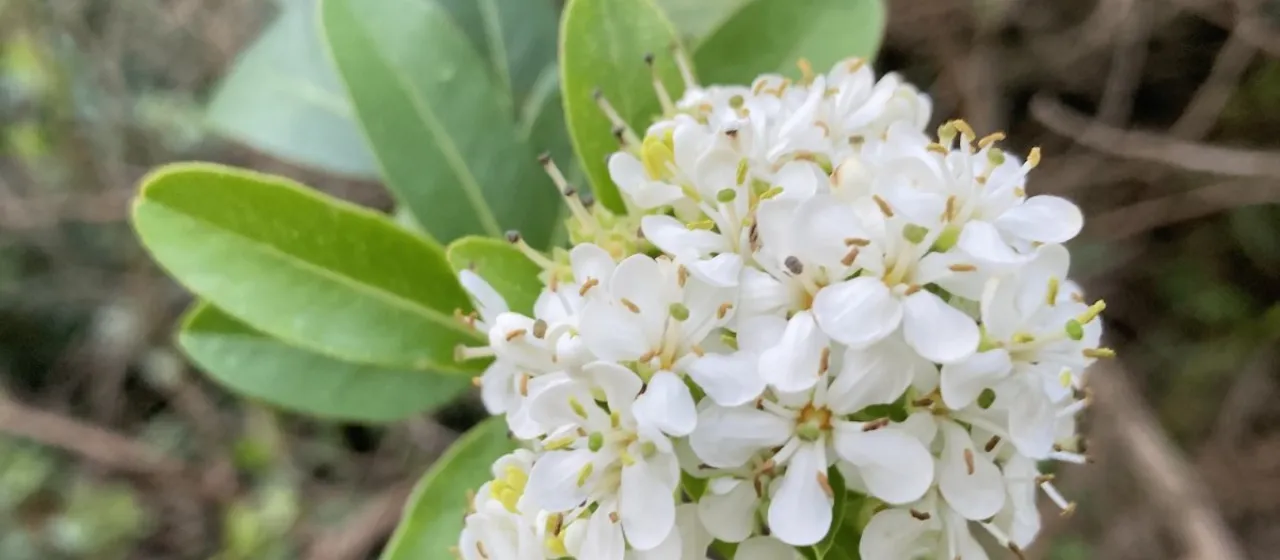
Description
The White escallonia (Escallonia bifida) is a robust, evergreen shrub or small tree belonging to the Escalloniaceae family. It is highly regarded in horticulture for its vigorous growth habit, dense glossy foliage, and spectacular white flower displays that can transform a garden into a vibrant landscape.
Originating from South America, specifically Argentina, Uruguay, and Southern Brazil, this species naturally inhabits moist forests and riverine environments. Given its native tropical and subtropical origins, the plant has been introduced to various temperate regions worldwide, where it thrives in gardens that offer protection from severe frost.
Botanically, the plant is distinguished by its leathery, serrated leaves and a very attractive flowering habit. During the summer, it produces long, slender panicles of snow-white, five-petaled flowers. The blooms are not only aesthetically pleasing but also emit a sweet, pleasant fragrance, making the shrub a favorite for sensory gardens.
To ensure healthy growth, Escallonia bifida requires well-draining soil that is rich in organic matter. While it prefers neutral to slightly acidic soil, it is relatively adaptable to various garden conditions. The plant performs best in full sun or light shade, and regular watering during the first few years of establishment is crucial for building a resilient root system.
In terms of practical application, the White escallonia is a versatile choice for landscaping. Its ability to tolerate pruning makes it an excellent candidate for several uses:
- Creating dense, formal or informal hedges;
- Acting as a structural backdrop for perennial borders;
- Serving as a specimen plant for ornamental lawns;
- Providing shelter for local wildlife in garden environments.
The plant is generally resistant to many pests, although it may occasionally suffer from aphids or scale insects. Fungal diseases such as leaf spot or powdery mildew can occur in stagnant or overly humid conditions. Maintenance should focus on yearly pruning to stimulate new growth and removing dead or crowded branches to maintain proper air circulation within the shrub canopy.
Photo gallery