Description
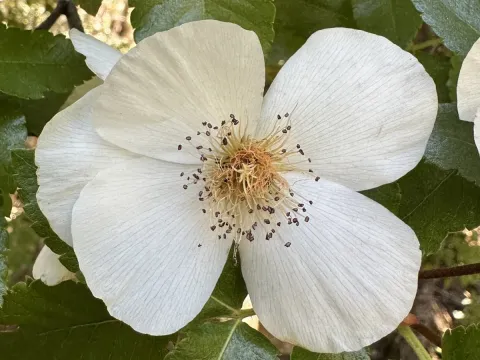
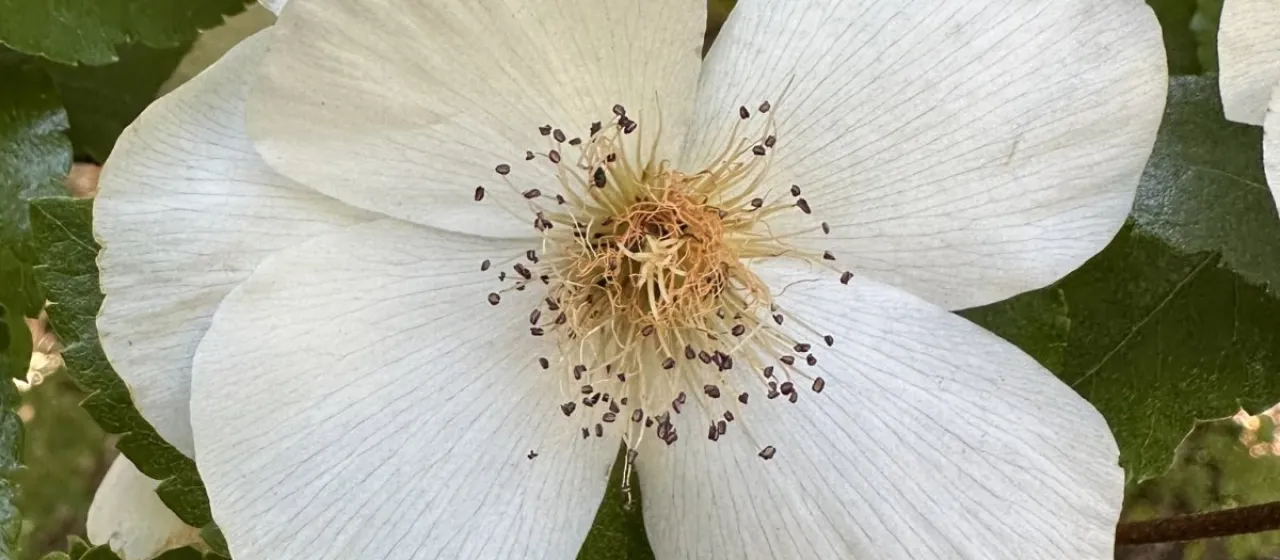
Eucryphia glutinosa, commonly known as the sticky eucryphia, is a deciduous shrub or small tree belonging to the family Cunoniaceae. Native to the temperate rainforests of Chile, this plant is highly prized in horticultural circles for its spectacular mid-summer display of large, fragrant, white flowers that resemble those of the wild rose.
The botanical structure of the plant features pinnate leaves that exhibit beautiful autumnal colors, ranging from yellow to deep orange. The flowers are the primary attraction, characterized by their saucer-shaped appearance and a prominent cluster of yellow-tipped stamens. They are not only visually striking but also serve as a significant source of nectar for pollinators during the warmer months.
In terms of agricultural and horticultural requirements, Eucryphia glutinosa thrives in cool, moist, and sheltered environments. It demands an acidic to neutral soil that is rich in organic matter and maintains constant moisture. While it prefers partial shade to keep its roots cool, the shrub needs enough light to promote vigorous flowering and healthy foliage development.
Cultivation practices involve regular mulching to keep the soil temperature stable and careful monitoring of irrigation, especially during dry summers. The plant is best suited for climates with mild, damp summers and temperate winters. Due to its specific requirements, it is often found in botanical gardens and protected private collections rather than commercial production fields.
- Habit: Deciduous shrub or small tree.
- Hardiness: Hardy to approximately -10°C to -15°C.
- Soil: Acidic, humus-rich, well-drained.
- Bloom time: Mid to late summer.
- Landscape use: Focal point, shrub borders.
Regarding pest and disease management, the plant is generally robust. However, it can be susceptible to root rot if planted in heavy or waterlogged soil. Leaf chlorosis may occur if the soil pH becomes too alkaline, requiring professional soil testing and the application of appropriate acidifying soil amendments to maintain the health and vigor of the specimen.
Photo gallery