Description
Eucryphia lucida, commonly known as the leatherwood tree, belongs to the Cunoniaceae family. It is an evergreen woody plant native to the temperate rainforests of Tasmania, Australia. In its natural habitat, it can reach significant heights, providing a lush, glossy canopy that is particularly prized for its aesthetic appeal in botanical gardens and specialized forest plantations.
The plant thrives in cool, moist, and sheltered environments, mimicking the oceanic climate of its origin. It is highly sensitive to extreme heat and prolonged dry spells, making it an excellent candidate for regions with stable, mild weather conditions. Growers must ensure the plant is protected from harsh winds, which can damage its delicate foliage and blooming structures.
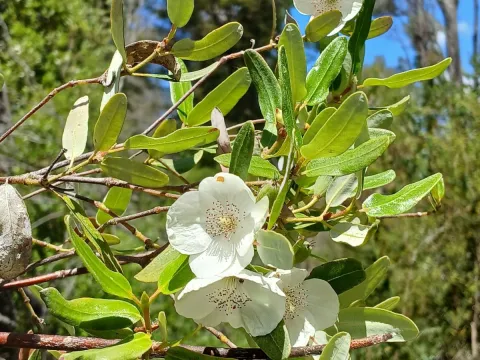
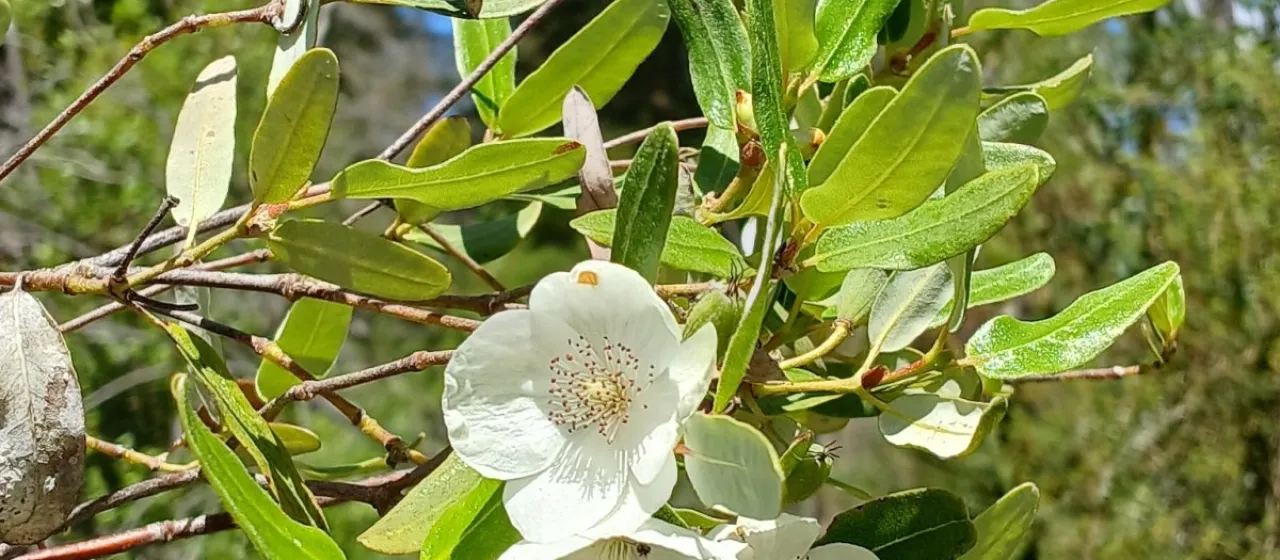
Botanically, Eucryphia lucida is defined by its dark green, leathery leaves and stunning white flowers that appear during late spring and summer. The flowers feature numerous stamens and a subtle fragrance, which is highly attractive to pollinators. The plant typically grows at a moderate pace, forming a dense structure that requires minimal structural pruning if provided with enough space.
Agricultural and gardening requirements focus on well-draining, acidic soils rich in organic matter. Mulching is essential to keep the root zone cool and moist.
- Ensure consistent soil moisture during the establishment phase.
- Use acidic fertilizers to maintain optimal pH levels.
- Provide partial shade, especially in areas with intense afternoon sun.
In terms of economic utility, this species is world-renowned in the apiculture industry for producing "leatherwood honey," a highly sought-after monofloral honey with a distinctive, spicy aroma. Beyond its role in honey production, it serves as a valuable ornamental tree for temperate landscapes. Growers should remain vigilant against root rot caused by poor drainage and occasionally treat for sap-sucking insects like aphids if infestations occur.
Photo gallery