
Sagittate fig
Ficus sagittata Vahl
Description
The Sagittate fig (Latin Ficus sagittata Vahl) is a perennial evergreen plant belonging to the Moraceae family. It is a climbing vine species that utilizes aerial roots to anchor itself onto supports, making it a highly adaptable plant in both tropical habitats and managed cultivation environments.
The plant originates from the tropical regions of Southeast Asia. Its natural range encompasses various forest ecosystems where it thrives under the canopy. Because of its specific physiological requirements, it is primarily cultivated as an ornamental greenhouse plant or an interior landscape species in temperate climates.
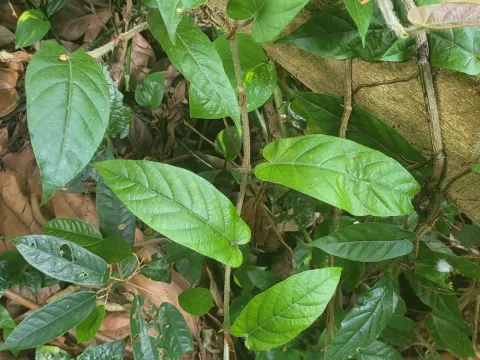
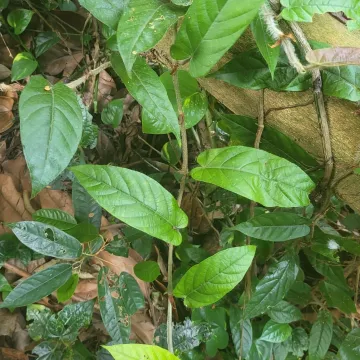
Botanically, the species is distinguished by its arrow-shaped (sagittate) leaves, which are typically leathery and deep green in color. The vine-like habit allows the plant to cover significant surfaces when provided with proper trellis or structural support. Growth is relatively rapid during the warm seasons when light and humidity are abundant.
Cultivation requirements focus on maintaining high humidity and a consistent temperature range, ideally between 20°C and 25°C. The substrate must be porous and well-draining to prevent root rot. Fertilizer application is recommended during the peak growing season to support the development of lush foliage and maintain vibrant plant health.
- Light: Bright, indirect sunlight is essential.
- Watering: Keep the soil moist but allow for surface drying.
- Humidity: Regular misting or pebble trays are recommended.
- Maintenance: Pruning helps to control growth and encourage branching.
The main commercial application of the Sagittate fig is within the ornamental nursery industry for indoor décor and large-scale botanical displays. Common pests include spider mites, aphids, and scale insects, which can be managed with biological controls or targeted horticultural oils. Cultural problems such as leaf drop are usually tied to environmental stress or improper irrigation practices.
Photo gallery