
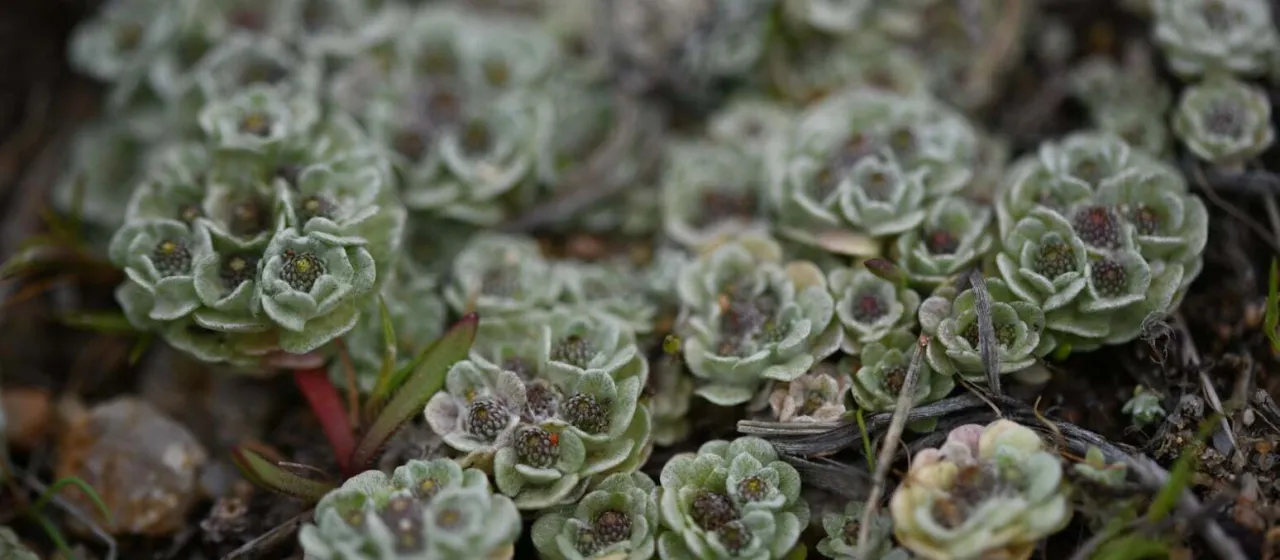
Description
Filago tyrrhenica is a notable herbaceous plant belonging to the Asteraceae family. Known for its remarkable resilience, this species has evolved to thrive in harsh, nutrient-poor, and arid conditions, making it an object of interest for researchers specializing in xerophytic plant physiology and conservation biology.
The plant originates from the Tyrrhenian Islands, specifically inhabiting sand dunes, rocky outcrops, and dry slopes. Its native range is characterized by a Mediterranean climate with long periods of drought, forcing the plant to adopt highly efficient water-retention mechanisms to survive in its natural habitat.
Botanically, Filago tyrrhenica is distinguished by its dense, silver-grey tomentose (woolly) indumentum. This pubescence serves as a vital adaptation, reflecting solar radiation and reducing transpiration rates. The plant typically features small, inconspicuous flowers clustered in tight capitula, which are often protected by bracts that mimic the surrounding dry vegetation.
Agricultural management of this crop requires strict attention to soil drainage. The species thrives in sandy or gravely substrates with low organic matter. Overwatering is the most significant risk, as it often leads to root rot and other fungal pathogens. Exposure to full, direct sunlight is essential for the healthy development of its metabolic processes.
While primarily of interest to ecological researchers, the plant is increasingly valued in xeriscaping and sustainable landscaping. Future applications may involve its use in restoring degraded land areas. Standard management practices include:
- Ensuring high soil aeration and drainage.
- Avoidance of nitrogen-rich fertilizers.
- Consistent monitoring for root pathogens during high-humidity periods.
- Manual weed control to prevent competition for limited resources.