
Description
Himalayan Meadowsweet (Filipendula vestita) is a perennial herbaceous plant belonging to the Rosaceae family. As a cultivated crop in botanical and landscape contexts, it is prized for its architectural form and ability to thrive in moist environments where other ornamentals might struggle.
The plant originates from the Himalayan range and high-altitude regions across Asia. Its natural habitat includes stream banks, moist meadows, and cool, shaded slopes. Due to these origins, it performs best in regions that mimic its native climate, characterized by cool temperatures and high humidity, which makes it an excellent candidate for temperate garden zones.
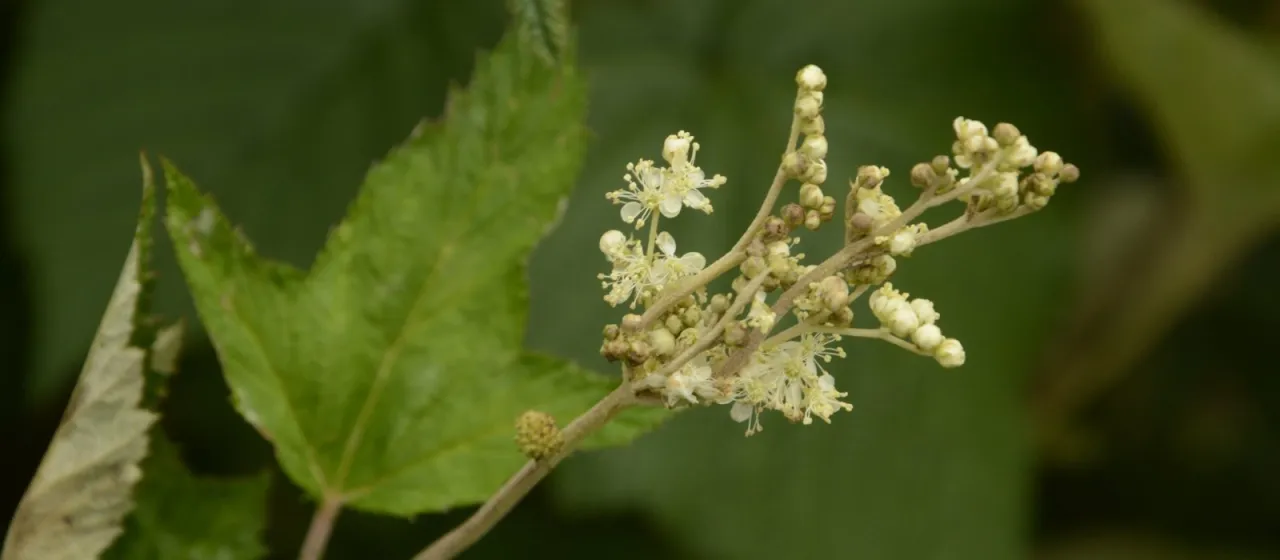
Botanically, Filipendula vestita is characterized by robust, fleshy rhizomes and tall stems that can reach over a meter in height. A distinctive feature is the densely hairy, or "clothed," texture of the underside of its leaves, which gives the species its scientific name. The plant produces dense, corymb-like panicles of white or creamy-yellow flowers, creating a dramatic display in mid-to-late summer.
Successful cultivation requires soil that is rich in organic matter and consistently moist. It is vital to provide an environment that does not dry out during the peak of summer, as this species is not drought-tolerant. In terms of maintenance, periodic division of the rhizomes is recommended to prevent overcrowding and to maintain the vigor of the plant over multiple years.
- Watering: consistent irrigation is necessary for optimal growth.
- Soil: prefers moist, nutrient-rich loamy soil.
- Hardiness: generally hardy and well-adapted to cool temperate climates.
- Pest management: monitor for common aphids or leaf spot during humid, stagnant periods.
The primary use of Himalayan Meadowsweet is in landscaping, specifically for the margins of water features, bog gardens, or shady border plantings. Beyond its aesthetic appeal, the genus Filipendula is widely recognized in traditional medicine for its salicylate content, and while F. vestita is primarily grown for its appearance, its phytochemical properties remain a subject of interest for future agricultural research.