
Description
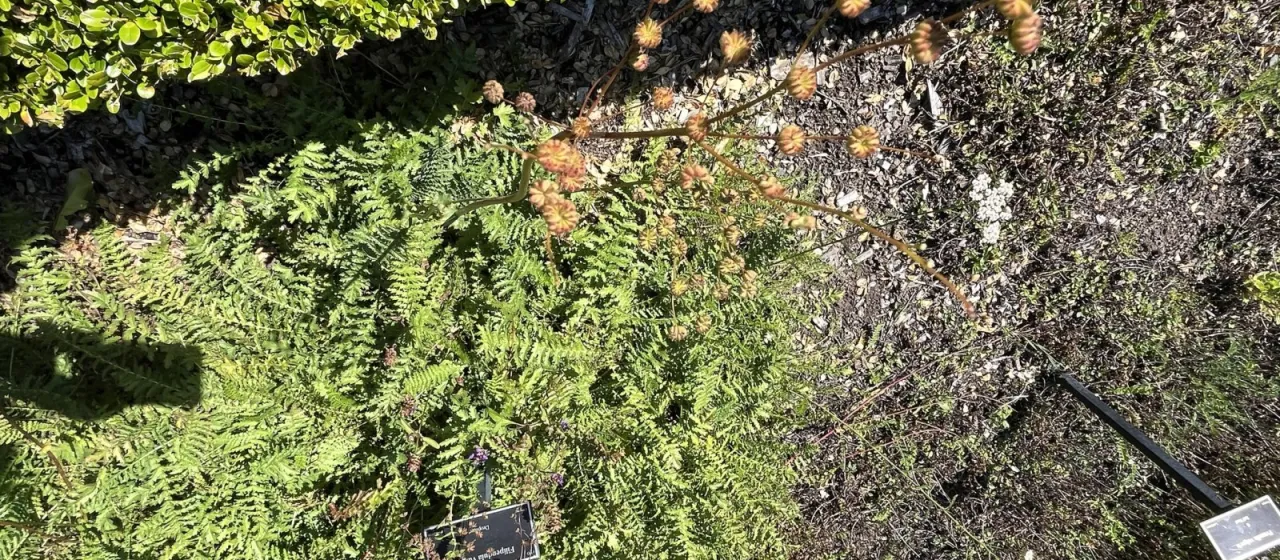
Dropwort (Filipendula vulgaris) is a perennial herbaceous plant belonging to the Rosaceae family. It is distinct for its tuberous roots, which store energy and nutrients, and its fine, fern-like foliage. This plant is known for its resilience and adaptability in various landscape settings.
The native range of this species covers vast areas of Europe, Western Siberia, and parts of the Caucasus. It typically thrives in dry grasslands, open meadows, and forest clearings. Given its drought tolerance and minimal nutritional needs, it is increasingly cultivated for both ornamental purposes and as a source of medicinal compounds.
Botanically, the plant develops a basal rosette of pinnate leaves and tall, erect stems reaching 30–80 cm. The flowers are creamy-white, often tinged with pink, and arranged in dense panicles. The roots are the most unique feature, characterized by numerous small, edible tubers that provide the plant with resources for survival during hot, dry summer periods.
Cultivation requires well-drained, lime-rich soil to achieve optimal health. The plant prefers full sun to light shade and is highly drought-resistant once established. Agronomic practices should focus on weed management during the establishment phase, as the plant grows slowly in its first year and can be easily outcompeted by aggressive weeds.
- Extraction of salicylates for pharmaceutical applications.
- Use in ornamental gardening for xeriscaping projects.
- Historical culinary use of the starchy tubers.
- Supporting pollinator populations through late-spring blooms.
Common issues include fungal diseases such as powdery mildew, which thrive in stagnant air or excessive moisture. Pests such as aphids and leaf-eating beetles may occasionally cause damage. Effective management involves maintaining good air circulation around the plants and removing debris to prevent the buildup of pathogens during the growing season.