
Description
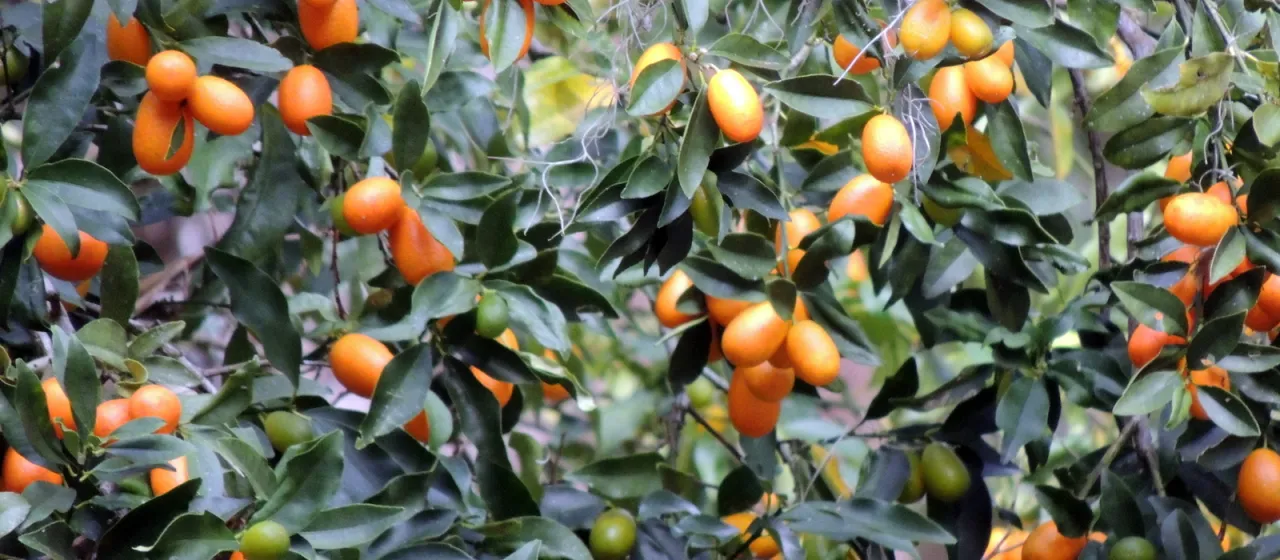
Fortunella crassifolia, widely known as the Meiwa kumquat, is an evergreen fruit-bearing tree belonging to the Rutaceae family. It is distinct for its thick, succulent leaves and round, larger fruits compared to other kumquat varieties. The plant is highly valued for its ornamental appeal, especially when laden with vibrant orange fruit against a backdrop of glossy, dark green foliage.
The species originated in Southern China and has since been introduced to various subtropical and temperate regions globally. It thrives in areas with mild winters and warm summers. While it can be grown outdoors in Mediterranean climates, it has gained significant popularity worldwide as a container plant, commonly cultivated in greenhouses, sunrooms, and conservatories in colder regions.
Botanically, this shrubby tree is characterized by a slow growth rate and a dense, manageable canopy. The leaves are broad and leathery, providing a lush appearance. The flowers are small, white, and highly fragrant, typically appearing during the summer months. The fruit possesses a sweet rind and a slightly tart pulp, allowing the entire fruit to be consumed fresh or processed into culinary delicacies.
Successful cultivation requires attention to specific environmental needs:
- Bright, indirect sunlight for at least 6–8 hours daily.
- Well-draining, slightly acidic potting soil rich in organic matter.
- Consistent moisture levels without allowing the roots to sit in water.
- Balanced fertilization during the active growing season.
In terms of utilization, the fruit is prized for making marmalades, preserves, and candied citrus peels. Beyond food production, it is a staple in hobbyist citrus gardening and bonsai art. Growers must remain vigilant against common pests such as spider mites, aphids, and scale insects, while proper drainage is essential to prevent root fungal diseases, which are the most frequent cause of health decline in managed plants.