
Description
Fortunella hindsii, commonly known as the Hong Kong kumquat, is a perennial evergreen shrub belonging to the Rutaceae family. It is distinguished as the smallest and most primitive species within the Fortunella genus, prized primarily for its exceptional ornamental value and compact growth habit, making it a favorite among collectors and bonsai enthusiasts.
Native to Southern China, this plant naturally thrives in mountain forests and subtropical regions. Its wild habitat is characterized by moderate rainfall and warm, humid conditions. In modern agriculture, it is cultivated globally in greenhouses, conservatories, and as a popular houseplant, particularly in regions where environmental control is necessary to sustain its delicate biology.
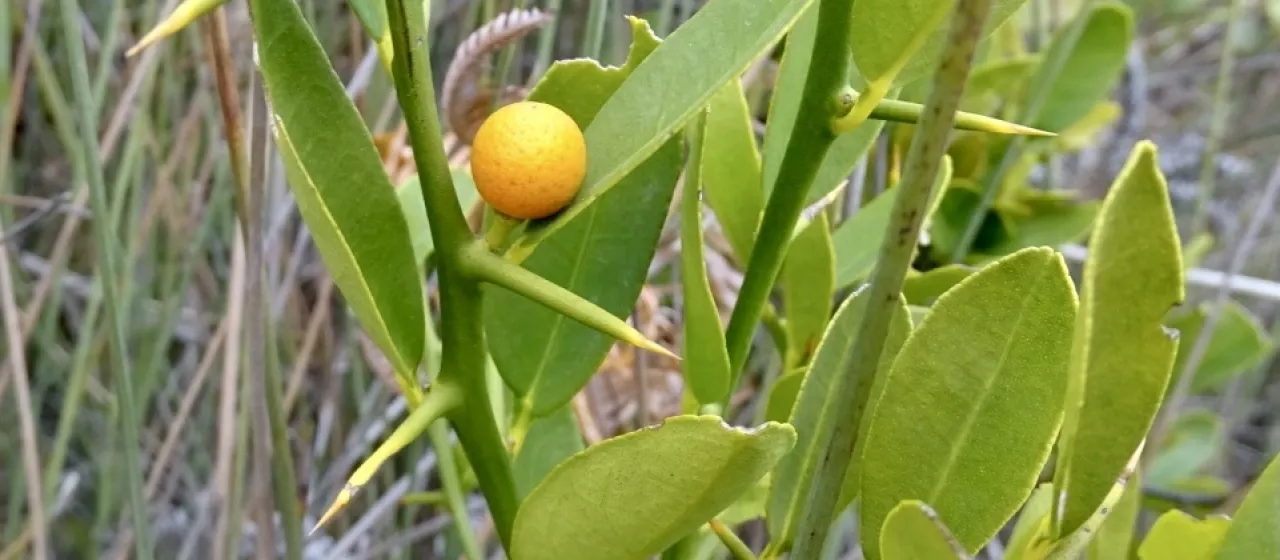
Botanically, it presents a dense, bushy structure with leathery, dark green leaves and small white, fragrant flowers. The fruit is a tiny orange-red hesperidium, typically measuring less than 2 cm in diameter. The peel is thin and highly aromatic, while the pulp is limited, often containing several seeds, which defines its role as a decorative rather than a commercial fruit crop.
The agronomic requirements for Fortunella hindsii involve providing bright, filtered light and a well-draining, slightly acidic soil medium. Consistent moisture is necessary, though waterlogging must be strictly avoided to protect the root system. A clear dormant period during winter, with lower temperatures between +10°C and +12°C, is essential to stimulate blooming and fruit set in the following season.
- Maintaining high ambient humidity levels via regular misting.
- Applying balanced NPK fertilizers specifically formulated for citrus.
- Executing structural pruning to maintain the plant's aesthetic form.
- Monitoring soil acidity to prevent nutrient lockout.
In terms of economic utilization, the plant is primarily valued for ornamental and horticultural purposes. It is widely considered one of the most suitable species for high-quality bonsai due to its naturally dwarfed scale and ability to fruit while remaining small. While the fruits are technically edible, their culinary use is minimal, limited to occasional confectionery or decorative garnishes.
Common pests include spider mites, aphids, and scale insects, which thrive in low-humidity indoor environments. Disease management focuses on preventing root rot caused by poor drainage and leaf yellowing associated with micronutrient deficiencies. Keeping the foliage clean and ensuring proper air circulation are the best preventative measures against most common botanical stresses.