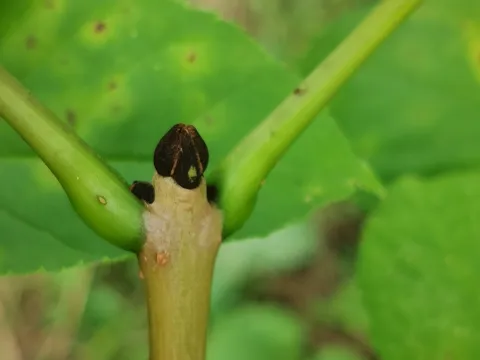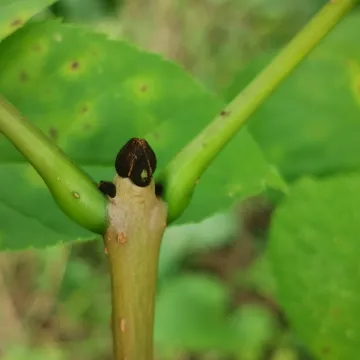
Manchurian ash
Fraxinus mandshurica Rupr.
Description
Manchurian ash (Fraxinus mandshurica) is a large deciduous tree species belonging to the family Oleaceae. This robust tree is known for its impressive stature, reaching heights of up to 30 meters, and is characterized by its rough, furrowed bark and an elegant, spreading crown that provides valuable shade in its native ecosystems.
The native distribution of this species spans the Russian Far East, Northeast China, the Korean Peninsula, and Japan. It thrives primarily in temperate, moist environments, often dominating the riparian zones of forests where nutrient-rich, damp soils support its vigorous growth throughout the growing season.
Botanically, the tree is distinguished by its compound, pinnate leaves consisting of 7 to 11 leaflets. It is a frost-hardy species, capable of surviving severe winters, which makes it a preferred choice for reforestation projects in northern climates. It displays a strong preference for deep, fertile, and well-drained soils, though it remains notably sensitive to prolonged soil drought.
Agricultural and silvicultural management for Manchurian ash involves careful site selection and spacing to ensure optimal growth. While young trees require protection from direct sunlight and weed competition, established stands respond well to thinning and maintenance pruning. Periodic fertilization with organic matter enhances overall tree vigor and wood quality in plantation settings.
The economic value of this species is primarily centered on its timber. The wood is prized for its high density, flexibility, and attractive grain pattern, which makes it a top-tier material for:
- Fine furniture and cabinet making;
- Hardwood flooring and interior finishes;
- Sporting goods, such as bats and tool handles;
- Ornamental landscaping in urban environments.
Regarding health management, the tree faces significant threats from pests such as the emerald ash borer, which is a major invasive threat to the Fraxinus genus globally. Fungal pathogens, including leaf spots and bark cankers, also affect the health of the stands. Effective control requires regular inspections, removal of infested branches, and the application of integrated pest management strategies.
Photo gallery