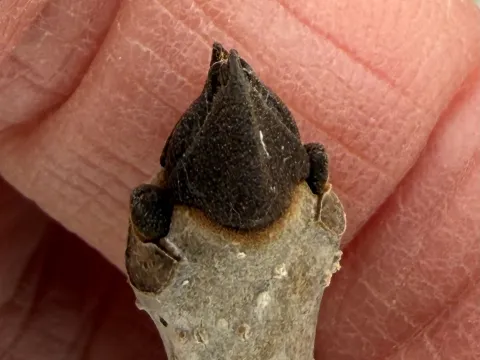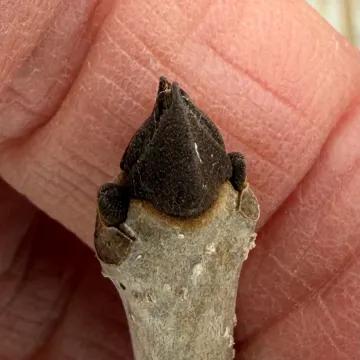
Black hybrid ash
Fraxinus nigra Marsh x Fraxinus mandshurica Rupr
Description
The black hybrid ash (Fraxinus nigra Marsh x Fraxinus mandshurica Rupr) is a distinct hybrid belonging to the Oleaceae family. By crossing the North American black ash with the Manchurian ash, breeders have created a specimen that exhibits vigorous growth and exceptional tolerance to harsh northern climates, making it a valuable asset for forestation projects.
The origin of this hybrid is rooted in forestry research aimed at combining the wood quality of American species with the resilience of East Asian varieties. Its current range is primarily limited to research arboretums and specialized nurseries, where it is cultivated for its potential in creating climate-resilient landscapes and forestry plantations.
Botanically, this hybrid is characterized by a sturdy structure and pinnately compound leaves that provide dense shade. It grows as a deciduous tree with a moderate to fast growth rate when provided with optimal conditions. The bark texture often shows intermediate features between the parents, providing significant interest throughout the growing season.
Cultural requirements involve deep, moist, and nutrient-rich soils. The tree performs best in locations that mimic river valleys or protected areas with high soil fertility. While it is adaptable, it does not perform well in highly compacted or extremely dry sandy soils; therefore, consistent moisture management is a key aspect of successful long-term cultivation.
In terms of economic use, the black hybrid ash is highly regarded for its potential in producing high-quality hardwood. It also serves an ecological role in windbreaks and urban park settings. Monitoring for pests remains a priority, specifically against the emerald ash borer, which poses a significant threat to many Fraxinus species worldwide.
Photo gallery