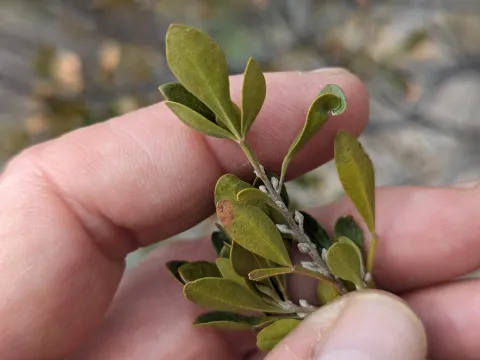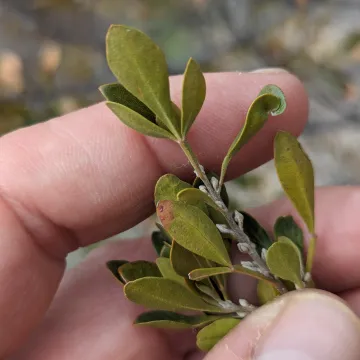
Gregg ash
Fraxinus greggii A. Gray
Description
Gregg ash (Fraxinus greggii) is a distinctive species belonging to the Oleaceae family. Known for its small, refined foliage and multi-trunked habit, it functions as either a large shrub or a small tree, typically reaching heights of 10 to 20 feet. Its compact structure makes it an excellent candidate for residential and commercial landscape design.
This species is native to the arid regions of North America, specifically spreading across Texas, Arizona, and Northern Mexico. Because of its evolutionary background, it is exceptionally adapted to harsh, dry environments. It thrives in regions where water conservation is prioritized, making it a staple of xeriscaping projects.
Botanically, the Gregg ash is characterized by its small, semi-evergreen or deciduous compound leaves with a leathery texture. During the flowering season, it produces modest, inconspicuous blossoms followed by typical ash samaras (winged seeds). The bark is generally smooth and light gray, providing visual interest throughout the dormant winter months.
Agrotechnical requirements for this culture are centered on full sun exposure and well-draining soils. It performs best in alkaline or limestone-based soils which mirror its natural habitat. Once established, it demonstrates remarkable drought tolerance, though supplemental irrigation during the peak of summer can enhance its vitality and leaf density.
The Gregg ash serves various functional and aesthetic purposes in horticulture:
- Designing drought-tolerant, low-maintenance privacy screens.
- Stabilizing dry, sloped terrain to prevent soil erosion.
- Serving as a focal point in Mediterranean or desert-style garden designs.
- Providing shade for small patio areas without overwhelming the space.
Regarding pest and disease management, the Gregg ash is relatively hardy but can be susceptible to typical ash pests or root rot if planted in poorly drained soil. Maintaining a clean garden bed and avoiding over-mulching near the trunk base helps prevent humidity-related issues. Proper structural pruning is recommended to maintain the tree's health and aesthetic appeal.
Photo gallery