
Description
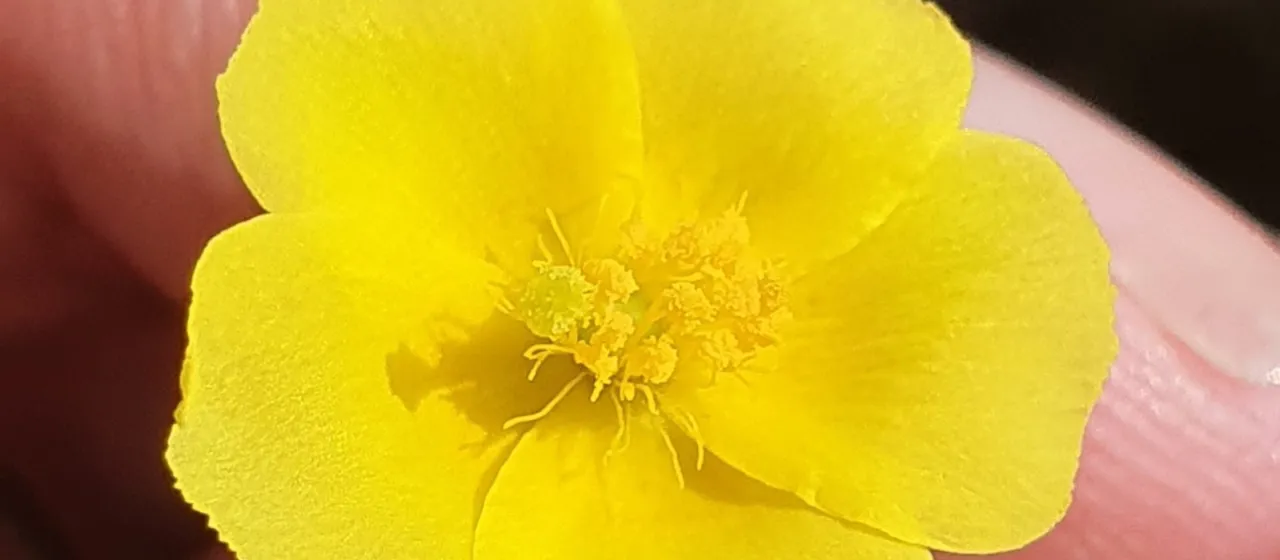
Needle-leaved fumana (Fumana scoparia) is a low-growing, evergreen subshrub belonging to the Cistaceae family. This resilient plant is highly regarded in horticulture for its ability to thrive in harsh, dry environments where other decorative species often fail to survive.
The plant originates from the Mediterranean basin and surrounding arid regions. It is well-adapted to rocky habitats, limestone outcrops, and dry, sun-drenched slopes. Its natural distribution demonstrates a high level of evolutionary specialization for climates characterized by long, hot, and dry summers.
Botanically, it is defined by its slender, woody stems and tiny, needle-like leaves that help reduce water loss through transpiration. The plant produces vibrant yellow flowers that bloom throughout late spring and summer, attracting various pollinators. The root system is robust, designed to explore deep soil crevices for moisture.
Cultivation of this species requires minimal intervention but strict attention to drainage. It thrives in poor, sandy, or rocky soils with a neutral to alkaline pH. Planting in a location with full sun exposure is essential for maintaining a compact shape and encouraging prolific flowering throughout the growing season.
- Excellent tolerance to drought and heat
- Suited for xeriscaping and sustainable landscapes
- Minimal fertilizer requirements
- Adaptable to poor, stony soil profiles
Regarding health management, Fumana scoparia is relatively resistant to major agricultural pests. The primary risk factor remains excessive moisture, which can lead to root rot. To maintain healthy stands, growers should ensure sufficient spacing between plants to allow for airflow, preventing the development of fungal infections in the foliage.