
Description
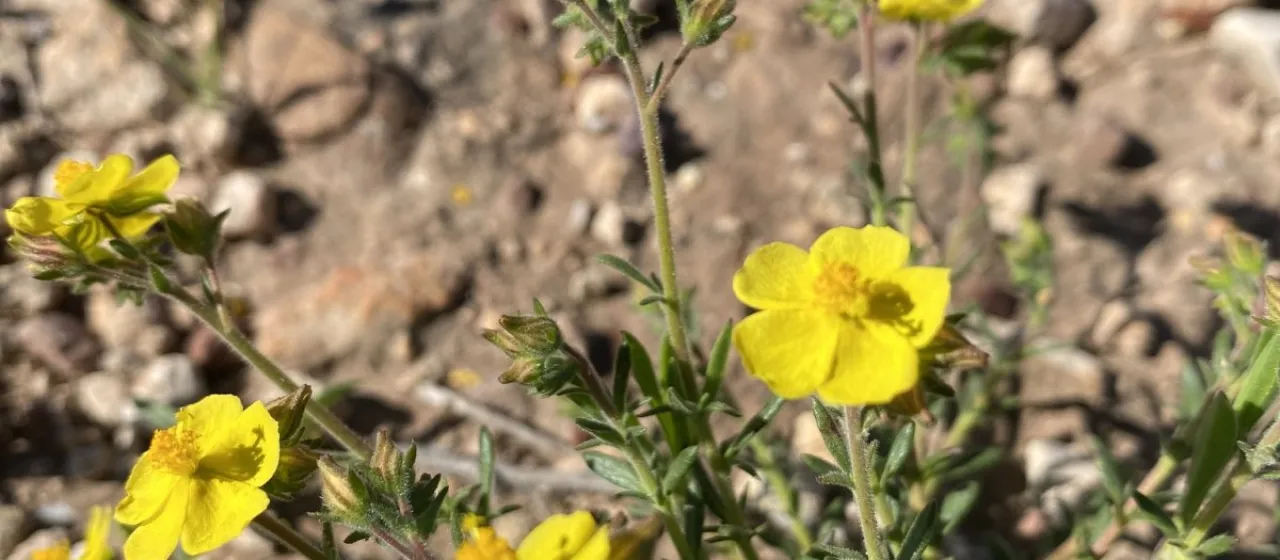
Thyme-leaf fumana (Latin: Fumana thymifolia) is a perennial subshrub belonging to the Cistaceae family. This resilient plant is highly valued for its creeping habit and its ability to thrive in harsh, rocky environments where many other plants fail to survive.
Originating from the Mediterranean basin, it is naturally distributed across Southern Europe and North Africa. It is a heliophilous species, meaning it requires full sun exposure to flourish. Its natural habitats typically include dry, rocky slopes, limestone grasslands, and open scrublands.
The plant features small, narrow, thyme-like leaves arranged on slender, woody stems. Its growth habit is typically low and mounding, making it an excellent groundcover. During late spring and summer, it produces small, bright yellow flowers that bloom sporadically, adding color to rock gardens or arid borders.
Regarding agronomic requirements, the species is perfectly adapted to poor, calcareous soils. The key to successful cultivation is ensuring rapid drainage. In commercial or decorative planting, it is essential to avoid planting in heavy clay soils that retain moisture, as this leads to root rot, the most significant threat to the plant's health.
In terms of хозяйственного (economic) use, the plant is primarily employed in landscaping and horticultural projects that focus on xeriscaping and sustainable garden design. It is relatively free from major pest infestations, provided it is grown in conditions that mimic its natural dry climate, ensuring longevity and minimal maintenance requirements.