
Description
Hedge bedstraw (Galium mollugo L.) is a perennial herbaceous plant belonging to the Rubiaceae family. In agronomy, it is recognized for its role in maintaining biodiversity within pasture systems and its potential as a component of livestock forage, known for its resilience and vigor.
The species is native to Europe, Western Asia, and North Africa, having spread significantly due to its adaptability to disturbed soils. It is commonly found in meadows, roadsides, and agricultural field margins, where it effectively competes with other vegetation to establish permanent ground cover.
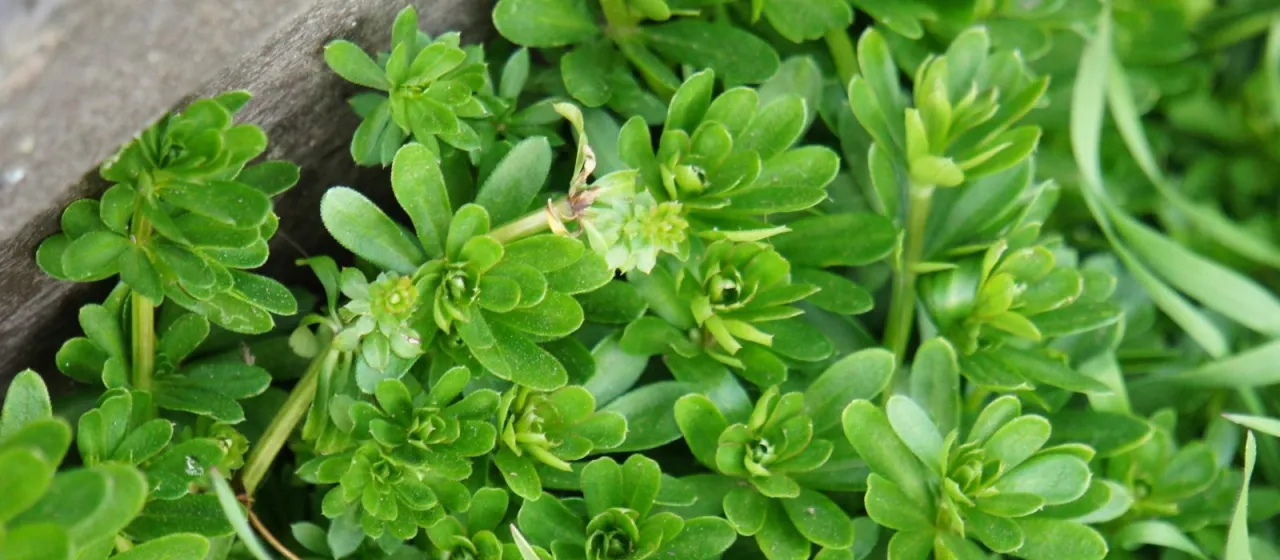
Botanically, the plant features square stems and whorled leaves, typically reaching heights of up to 100 centimeters. Its reproductive strategy involves a proliferation of white, honey-scented flowers during early summer, which produce numerous seeds that ensure the longevity of the population within the field.
In terms of agricultural requirements, hedge bedstraw thrives in temperate climates with moderate rainfall. It is not highly selective regarding soil pH, although it performs best in fertile, well-drained loams. Proper management, including timely mowing or controlled grazing, is essential to balance its growth within mixed forage stands.
Beyond its use in livestock feeding, the plant has garnered interest for its phytochemical properties, specifically the presence of tannins and iridoids. These compounds support its utilization in the herbal industry, emphasizing the dual economic value of the crop as both a farm resource and a botanical commodity.