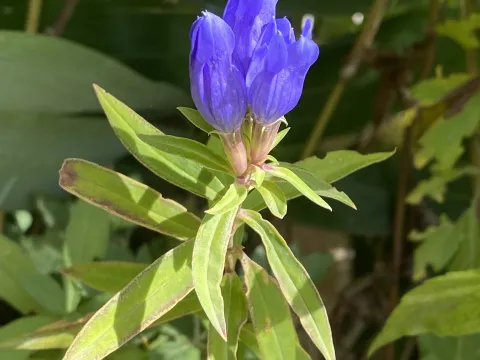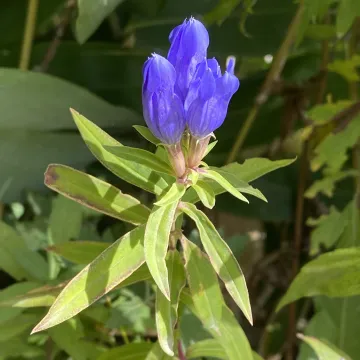
Gentiana axillariflora
Gentiana axillariflora Levier & Vaniot
Description
Gentiana axillariflora is a perennial herbaceous plant belonging to the Gentianaceae family. Known for its distinct growth pattern where flowers emerge from the leaf axils, this species is a representative of East Asian mountain flora. It is highly valued by horticulturists for its unique appearance and resilience in specific environmental niches.
The plant originates from the mountainous regions of East Asia, primarily encompassing parts of China and the Korean Peninsula. Its natural habitat includes cool, moist meadows and woodland edges, where it thrives in soil rich in organic matter. Understanding its native ecological context is essential for achieving successful cultivation in a domestic or garden environment.
Botanically, Gentiana axillariflora is distinguished by its leafy stems and an inflorescence structure that sets it apart from other members of the genus. Its leaves are typically opposite, narrow, and lanceolate. The root system is generally adapted to stable mountain substrates, requiring adequate aeration to maintain health throughout the plant's life cycle.
Cultivation requirements are strict: the plant needs well-draining, slightly acidic to neutral soil that retains moisture without becoming waterlogged. Ideal placement in a garden setting is in partial shade, mimicking the conditions of forest borders. Frequent monitoring of soil moisture levels is necessary, as the species is particularly sensitive to drought during the active growing season.
In terms of usage, the plant is mainly utilized in decorative landscaping, particularly in rock gardens and specialized alpine beds. Beyond aesthetics, it is sometimes studied for the specific bitter compounds found in its tissues, common to the Gentiana genus, which have historical medicinal applications. Growers should watch for typical pests such as slugs and snails, and prevent fungal diseases by ensuring proper air circulation around the plants.
Photo gallery