Cross gentian
Gentiana cruciata L.
Description
Cross gentian (Gentiana cruciata L.) is a perennial herbaceous plant belonging to the Gentianaceae family. It is recognized as a significant medicinal crop, primarily valued for its roots, which are widely utilized in the pharmacological industry for their bitter tonic and digestive health properties.
The native range of this species spans across Europe, the Caucasus, and Western Siberia. It is typically found in meadows, forest borders, and limestone slopes. The plant is noted for its hardiness and ability to thrive in various climates, although it performs best in regions with well-defined seasonal changes.
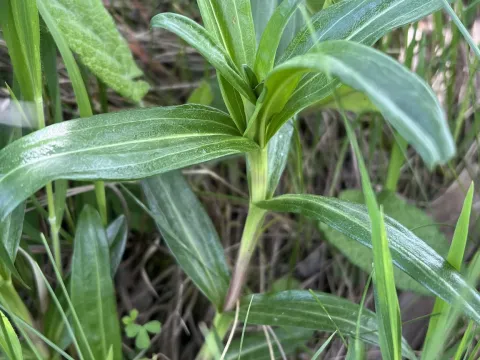
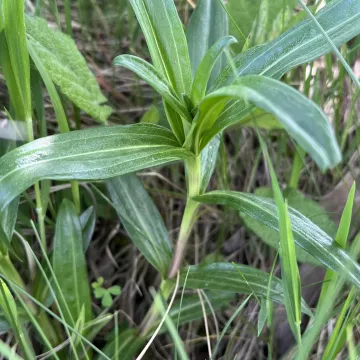
Botanically, the cross gentian features an upright stem ranging from 20 to 50 cm in height, characterized by its opposite leaves that form a cross-like pattern at each node. The flowers are bright blue, tubular-bell shaped, and arranged in dense clusters. The root system consists of a thick, branching rhizome that stores the plant's active compounds.
Cultivation requires specific soil conditions, ideally well-drained loams or sandy soils with a neutral or slightly alkaline pH. Drainage is crucial, as the roots are susceptible to rot in waterlogged environments. Agronomic management focuses on weed control, particularly during the slow initial growth phase in the first year.
- Seed stratification is essential for achieving good germination rates.
- Regular but moderate watering is required to maintain soil moisture without stagnation.
- Strategic mineral fertilizing helps in developing robust root systems.
- Harvesting of the rhizomes is usually performed in the third or fourth year of cultivation.
Beyond its medicinal role, cross gentian is increasingly used in landscape design and horticultural applications. Its blue flowers and resilience make it an excellent choice for rock gardens and naturalistic plantings that require low maintenance once established in the correct environment.
The primary threats to the crop include fungal diseases such as leaf spots and root rot, which are often caused by excessive humidity. Pests such as aphids and slugs may also affect the foliage. Implementing integrated pest management and ensuring adequate spacing between plants are vital strategies for maintaining a healthy and productive crop.
Photo gallery