Cut-leaved crane's-bill
Geranium dissectum L.
Description
Cut-leaved crane's-bill (Geranium dissectum L.) is an annual herbaceous plant belonging to the family Geraniaceae. In agricultural contexts, it is widely recognized as a persistent weed that impacts crop yields by competing for vital resources such as sunlight, nitrogen, and water during the early growing stages.
The species originated in the Mediterranean region and parts of Europe, but it has successfully naturalized across temperate regions worldwide, including North America, Australia, and New Zealand. It is highly adaptable, flourishing in disturbed soils, roadsides, pastures, and within dense crop canopy environments where it can evade early mechanical weeding.
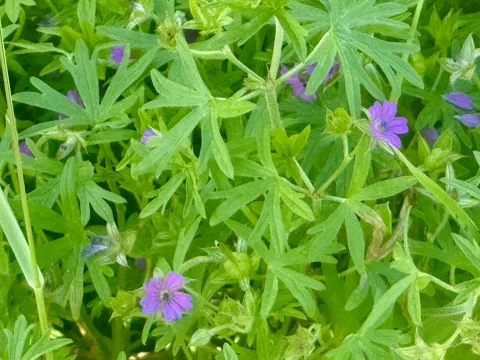
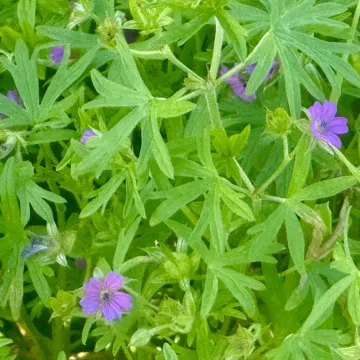
Botanically, Geranium dissectum is distinguished by its deeply divided, palmate leaves and delicate pink-to-purple flowers. The plant produces a characteristic elongated fruit structure that mechanically ejects seeds upon maturity, a mechanism that facilitates rapid colonization of field margins and uncultivated patches within commercial farms.
Agronomic requirements for managing this weed center on preventing seed rain. It thrives in soils that are rich in nutrients but poorly managed. Effective control involves a mix of tillage practices, stale seedbed preparation, and the strategic application of herbicides. Because of its wide germination window, multiple interventions are often required throughout the growing season.
While often viewed merely as a nuisance, the plant is part of the local biodiversity, providing early-season nectar for beneficial insects. Farmers should be aware of:
- Host potential: Acts as an alternative host for various aphids and plant viruses.
- Growth cycle: Can behave as both a winter and summer annual depending on regional climate.
- Control resistance: May develop tolerance to specific herbicide groups if rotation is not managed properly.
Photo gallery