Meadow cranesbill
Geranium pratense L. x Geranium psilostemon Ledeb.
Description
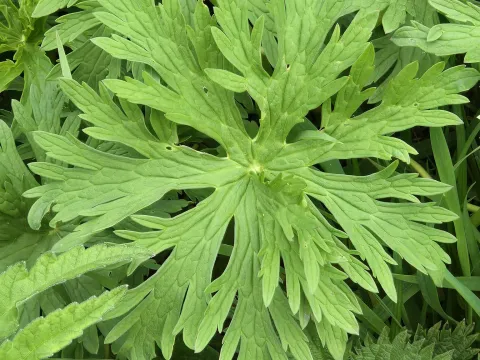
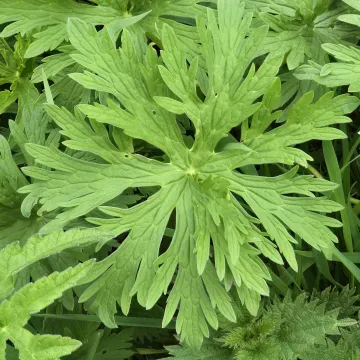
Meadow cranesbill (Geranium pratense) is a robust perennial herbaceous plant belonging to the Geraniaceae family. This species is highly regarded in horticulture for its vigorous growth habit, deeply divided foliage, and striking blue to violet-colored blooms. It serves as a staple in both traditional and modern landscape designs, offering long-lasting visual interest throughout the summer season.
The plant originates from the temperate regions of Eurasia and has naturally adapted to diverse habitats such as damp meadows, open woodlands, and riverbanks. Its agricultural significance stems from its resilience and hardiness, allowing it to thrive in varying soil types and climate conditions across different geographical zones, provided there is adequate moisture.
For successful cultivation, meadow cranesbill requires nutrient-rich, well-draining loamy soils with a neutral or slightly acidic pH balance. While the plant prefers full sun exposure to maximize flower production, it remains tolerant of partial shade. Essential agricultural practices include consistent irrigation during dry spells, periodic application of organic or mineral fertilizers, and regular weed management to ensure optimal aeration for the root system.
The commercial and practical utility of this culture is multifaceted. It is widely valued as a pollinator-friendly plant that supports local bee populations. Furthermore, in the pharmaceutical and cosmetic industries, the herb is processed for its concentrated tannins and flavonoids, which contribute to its traditional use in skincare and wellness applications due to their soothing and antiseptic properties.
Like many perennials, this plant is subject to certain biological threats. Common concerns include fungal diseases like powdery mildew, particularly in humid or overcrowded conditions, and various leaf spot infections. Pests such as leaf nematodes and weevils may occasionally compromise the plant's health. Sustainable management involves maintaining good air circulation, proper spacing, and integrated pest control strategies to keep the crop healthy and productive.
Photo gallery