Herb Robert
Geranium robertianum L.
Description
Herb Robert (lat. Geranium robertianum L.) is a herbaceous plant belonging to the Geraniaceae family. Recognized for its distinct medicinal properties, this species is frequently cultivated for its role in traditional and modern herbal medicine, where it is utilized for its astringent and anti-inflammatory characteristics.
The plant is native to Europe, parts of Asia, and North Africa. Its natural habitat is typically found in shady, moist woodlands, rock crevices, and damp soils. In agricultural contexts, it is grown in controlled environments that mimic these natural conditions to ensure the optimal accumulation of secondary metabolites within its foliage.
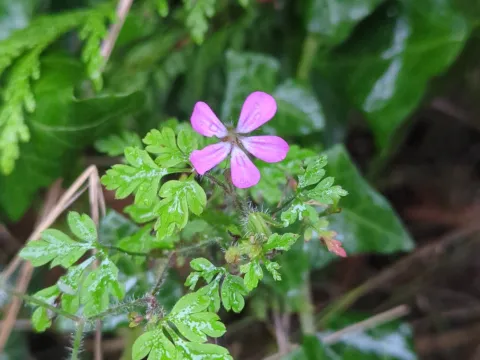
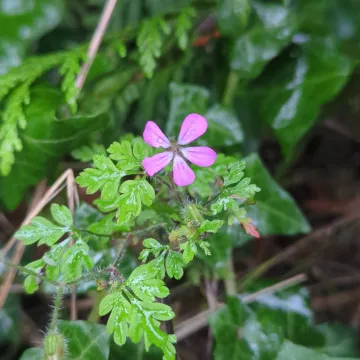
Botanically, Herb Robert is distinguished by its reddish, glandular-hairy stems that can reach up to 50 centimeters in height. The foliage is deeply dissected and produces a pungent odor when crushed. The small, five-petaled pink flowers appear throughout the growing season, contributing to the plant's aesthetic and botanical value as a source of volatile oils.
Cultivation requirements involve maintaining fertile, well-draining soil with high organic content. The plant thrives in semi-shaded areas, making it an excellent crop for intercropping systems under forest canopies or in protected greenhouse environments. Consistent moisture is critical, especially during the flowering stage, to maintain healthy leaf production.
The management of common pests and diseases is essential for a productive harvest. Key issues include:
- Powdery mildew in overcrowded or poorly ventilated areas.
- Root rot caused by poor soil drainage.
- Infestations by aphids or spider mites in dry conditions.
Photo gallery