Geranium thunbergii
Geranium thunbergii Siebold ex Lindl. & Paxton
Description
Geranium thunbergii is a perennial herbaceous plant belonging to the Geraniaceae family. In agriculture, it is valued for its hardiness, medicinal properties, and role in ecological restoration. This species is often studied for its specific metabolic compounds that contribute to its resilience in varying environmental conditions.
The plant originates from East Asia, with a natural range encompassing Japan, China, and Korea. It typically inhabits moist meadows, forest edges, and mountain slopes. Its widespread distribution in these regions demonstrates a high degree of adaptability to different light regimes and soil moisture levels, making it a viable candidate for cultivation in diverse climates.
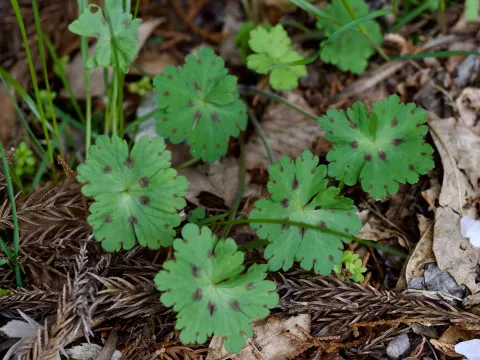
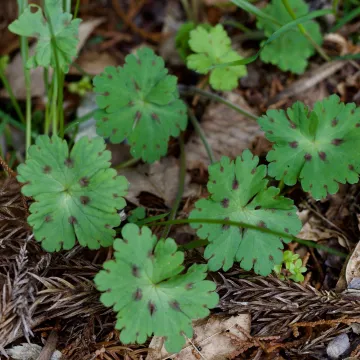
Botanically, Geranium thunbergii features a prostrate to ascending growth habit with palmate leaves and delicate five-petaled flowers. The stems are characterized by glandular hairs, which serve as a defense mechanism against herbivores and environmental stress. Its root system is fibrous and aggressive enough to stabilize soil, providing a functional benefit in agricultural landscapes.
Agricultural requirements for successful production include well-drained, nutrient-rich soil with a neutral pH. While the plant is drought-tolerant once established, optimal biomass production is achieved with consistent soil moisture during the vegetative phase. Full sun to partial shade is recommended to ensure robust growth and consistent flowering cycles throughout the season.
Commercial and practical applications of this crop include the pharmaceutical sector, where its leaves and roots are processed for anti-inflammatory compounds. Growers must monitor for common threats such as powdery mildew and aphids, which can reduce yield quality. Integrated pest management (IPM) strategies, including crop rotation and the use of natural predators, are highly effective in maintaining healthy stands of Geranium thunbergii.
Photo gallery