Rose vervain
Glandularia canadensis (L.) Nutt.
Description
Rose vervain (lat. Glandularia canadensis) is a perennial herbaceous plant belonging to the Verbenaceae family. Unlike many other Verbena species, this plant is characterized by its prostrate, spreading growth habit and high aesthetic appeal, making it a valuable subject for landscaping and professional horticulture.
The native range of the species is North America, specifically the central and eastern United States. Due to its hardiness, it has been widely introduced in various regions with temperate and subtropical climates. It is frequently utilized in modern gardening as a ground cover or in hanging baskets, thanks to its vigorous growth and ability to thrive in diverse garden settings.
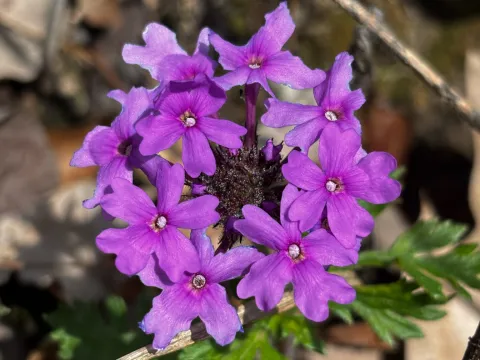
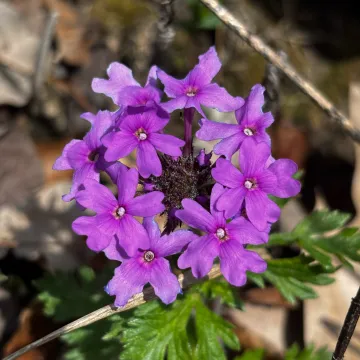
Botanically, this crop grows as a creeping subshrub reaching a height of 20–30 cm with dense, branching stems. Its leaves are distinctively toothed, and the flowers are gathered in large, showy corymbs ranging in color from soft pink and magenta to deep violet. The flowering period is exceptionally long, spanning from late spring until the first frosts of autumn.
Regarding its agricultural requirements, Glandularia canadensis is heliophilic and drought-tolerant once established. It thrives in well-drained, fertile soils with a neutral pH. Proper soil drainage is critical, as root rot is a common issue in waterlogged conditions. The plant can be propagated both through seeds and vegetative cuttings, allowing for efficient mass cultivation in nursery environments.
- Requires full sun exposure for optimal blooming.
- Maintains a compact habit with regular pruning.
- Susceptible to powdery mildew in high-humidity areas.
- Can be affected by common pests like aphids and spider mites.
The primary horticultural value lies in its decorative use for erosion control, rock gardens, and decorative borders. While it is generally resilient, growers should monitor for fungal pathogens during periods of high humidity and implement integrated pest management strategies to protect the foliage from sap-sucking insects, ensuring the longevity and health of the floral display.
Photo gallery