Glandularia elegans
Glandularia elegans (Kunth) Umber
Description
Glandularia elegans, belonging to the Verbenaceae family, is a distinct ornamental plant widely recognized for its vibrant flowering and sprawling growth habit. Often associated with the Verbena genus due to morphological similarities, this species has been reclassified to Glandularia, reflecting its unique genetic and structural traits that distinguish it in professional horticulture.
Native to the mountainous regions of South America, specifically in the Andes, this plant thrives in environments characterized by temperate climates and well-drained soils. Its geographical origin influences its preference for high-light exposure and moderate moisture levels. Today, it is cultivated globally as an ornamental groundcover or container plant in regions where climatic conditions allow for its perennial growth.
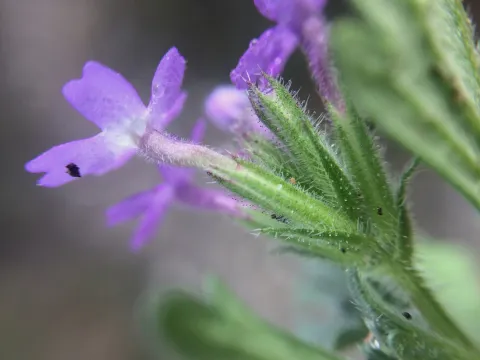
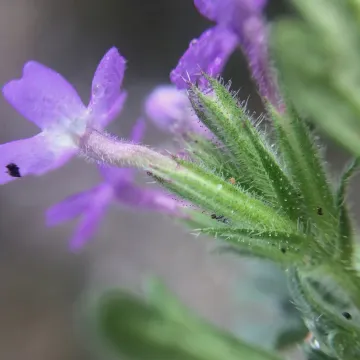
Botanically, Glandularia elegans features trailing stems that are capable of rooting at the nodes, allowing the plant to spread effectively across the soil surface. The leaves are typically opposite and deeply dissected, creating a textured foliage backdrop for its blossoms. The flowers appear in dense, terminal clusters that range in color from soft lavender to deep purple and pink, blooming consistently throughout the warmer months.
Cultivation success depends heavily on providing optimal soil conditions, specifically a light, porous medium with excellent drainage. The plant is highly intolerant of waterlogging, which often leads to root rot. When planning the planting site, choose an area with full sun exposure, although it can tolerate light partial shade during the peak of the afternoon heat. Propagation is efficiently achieved through stem cuttings or direct sowing in spring.
In terms of maintenance, it is essential to monitor for pests such as aphids and spider mites, which can proliferate quickly in dry conditions. Diseases such as powdery mildew are the most common issues, typically triggered by high humidity levels combined with poor airflow around the plant canopy. By ensuring proper spacing and regular sanitation—removing diseased parts—gardeners can effectively manage the health of this beautiful species.
Photo gallery