Glandularia subincana
Glandularia subincana Tronc.
Description
Glandularia subincana is a perennial herbaceous plant belonging to the Verbenaceae family. Often associated with the broader Verbena group in horticultural practice, this species is distinguished by its unique morphological characteristics that make it a notable candidate for specialized garden use and botanical collections.
Originating from South America, particularly regions within Argentina, the plant is naturally adapted to semi-arid climates. Its native distribution area typically encompasses open, high-light environments where it thrives on well-drained soils, allowing it to compete effectively with other herbaceous vegetation in similar ecological niches.
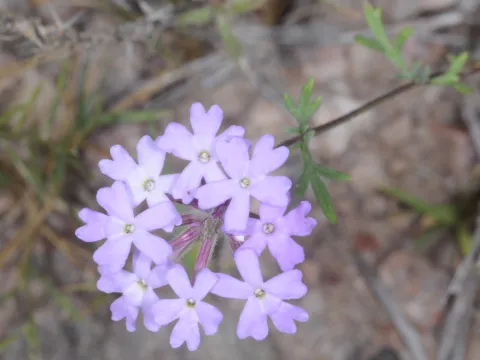
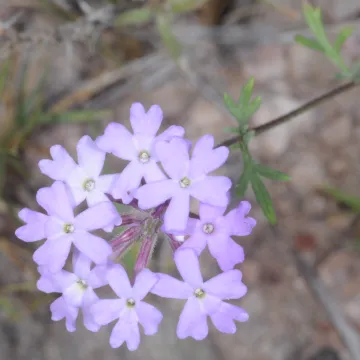
Botanically, the species is characterized by its prostrate, creeping stems that facilitate ground coverage and vegetative propagation. The leaves are characteristically pinnatifid and covered in fine hairs, which serve as a physiological adaptation to reduce water loss. The inflorescences are dense clusters of small, fragrant flowers that provide significant visual interest during the active growing season.
Successful cultivation requires a sunny location and high-quality drainage. The plant performs best in sandy or gravelly soil substrates. Overwatering is the most common cause of failure in its cultivation, as the roots are prone to decay in waterlogged environments. Maintenance is relatively minimal, focusing primarily on ensuring sufficient light and protecting the plant from excessive humidity during winter dormancy.
The primary use for Glandularia subincana is in ornamental landscaping, particularly for rock gardens and as a border plant in xeriscapes. Potential challenges include susceptibility to powdery mildew under conditions of poor aeration and occasional infestations of aphids. Proper spacing and airflow are essential to manage these phytosanitary risks effectively.
Photo gallery