
Description
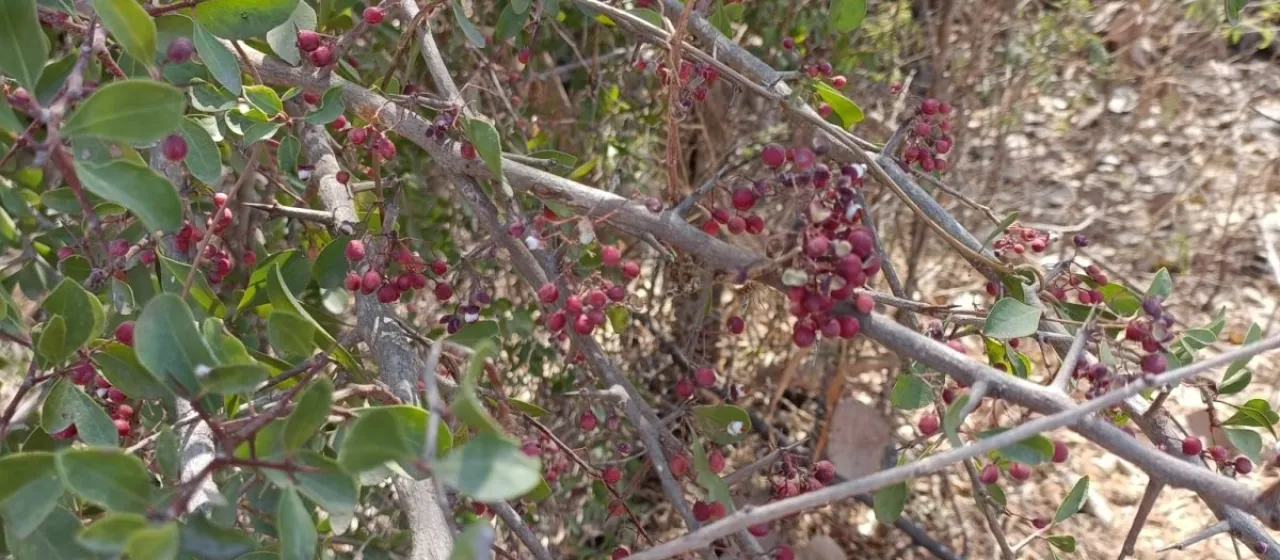
Gymnosporia senegalensis is a perennial shrub or small tree belonging to the Celastraceae family. It is a robust plant species recognized for its extraordinary ability to thrive in harsh environments and maintain structural integrity under extreme ecological stress.
The origin of this species is largely attributed to sub-Saharan Africa, with a natural range extending into parts of Asia and the Middle East. It is a common fixture in savannas, woodlands, and arid regions where it survives in diverse soil conditions, showing a preference for well-drained, nutrient-poor landscapes.
Botanically, the plant is characterized by its thorny branches and leathery, elliptical leaves, which are adaptations to prevent excessive moisture loss. It produces small clusters of greenish-white or white flowers that mature into small, dry capsules. Its extensive root system is essential for its survival during prolonged droughts.
Agronomic management of this crop involves selecting sites with full sun exposure and ensuring excellent soil drainage. It is highly resistant to common pests and does not require intensive fertilization, making it a sustainable choice for low-input agricultural systems in arid zones. Pruning is recommended to manage density, especially when used for boundary fencing.
Economically, the plant is highly valued for its medicinal properties, with various parts used to treat inflammatory and infectious conditions. Beyond pharmacology, its dense, thorny nature makes it an excellent choice for live fencing and windbreaks, protecting crops from grazing animals and minimizing soil erosion in vulnerable areas.
- Extreme drought resistance.
- Commonly used for natural defensive hedges.
- Rich in medicinal bioactive compounds.
- Low maintenance requirements.