
Description
Narrow-leaved sunrose (Helianthemum angustatum) is a perennial herbaceous plant belonging to the Cistaceae family. As a garden crop, it is highly valued for its resilience in arid conditions and its ability to provide vibrant color in landscapes where other plants might struggle to survive.
The plant originates from the Mediterranean region and areas characterized by limestone substrates and rocky terrain. Its natural distribution is linked to sunny, dry environments, which has shaped its physiological evolution, leading to high tolerance for solar radiation and limited soil moisture.
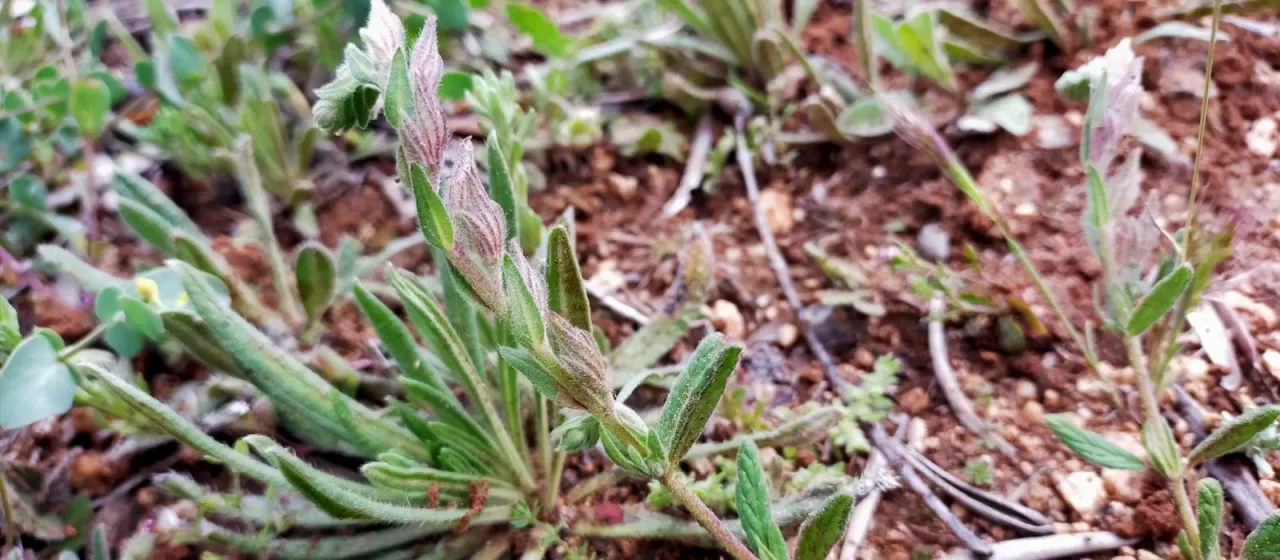
Botanically, this species is defined by its narrow, lanceolate leaves and a compact, semi-woody growth form. The flowers are typically bright yellow, showcasing the classic features of the Cistaceae family. Its structure allows it to form dense mats or low mounds, effectively covering ground and preventing soil erosion in rock gardens.
The agrotechnical requirements for growing this crop are specific to its native habitat. It thrives in poor, sandy, or stony soils that offer excellent drainage. Waterlogging is the primary factor limiting the success of cultivation. In terms of light, the narrow-leaved sunrose requires full sun exposure to ensure healthy foliage development and prolific flowering throughout the season.
Economically, the narrow-leaved sunrose is primarily used for landscaping and ornamental purposes. It is a popular choice for xeriscaping, alpine gardens, and retaining walls. Maintenance involves regular pruning post-flowering to encourage denser branching and the removal of spent flower heads. The crop is generally resistant to pests, though occasional monitoring for aphids or root-rotting fungi is recommended in regions with high humidity or poor soil aeration.