
Description
Curly-leaf everlasting (Helichrysum crispum) is a perennial herbaceous plant belonging to the Asteraceae family. It is highly esteemed in the agricultural and horticultural sectors for its remarkable ability to maintain structural integrity and color after the flowering phase, making it a staple in the production of dried floral arrangements.
The species is native to the arid regions of Southern Africa, which has shaped its physiological adaptation to low-water environments. It is currently grown in various parts of the world, particularly in Mediterranean-type climates, where it can be managed as a specialized ornamental crop for both cut flower production and landscaping.
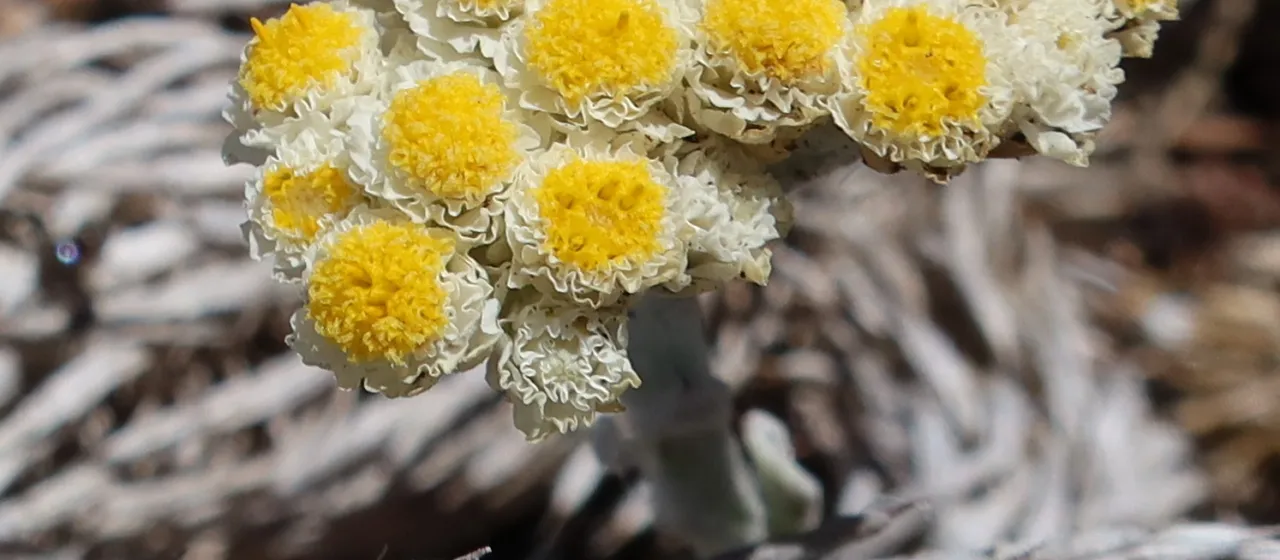
Botanically, the plant is distinguished by its dense, felt-like tomentose foliage which gives it a shimmering silver appearance. The leaves are characterized by distinctive undulating or curly margins, which provide the primary visual appeal. The inflorescences are compact, composite heads protected by dry, papery bracts that prevent the flower from wilting or losing its aesthetic value.
Successful cultivation requires soil with excellent drainage, such as sandy or gravelly loam. The crop is highly photophilous and demands full sun exposure throughout the growing season to prevent etiolation. Soil pH should ideally be neutral to slightly alkaline, and excessive fertilization—especially with nitrogen—must be avoided to maintain the plant's natural compact and silvery habit.
- Excellent soil drainage
- Full, unobstructed sunlight
- Low organic content in soil
- Regular inspection for moisture stress
The primary commercial application for Helichrysum crispum is the dried flower industry, where it is harvested at the peak of bloom to ensure maximum longevity of the decorative heads. In landscaping, it is utilized in xeriscaping, rock gardens, and low-maintenance garden borders due to its exceptional drought resistance and stable decorative form throughout the year.
Pathological issues commonly involve root rot caused by poor soil drainage and waterlogged conditions during cooler seasons. Pests such as aphids and spider mites can occasionally affect the plants, particularly in greenhouse settings or areas with restricted airflow. Effective pest management strategies prioritize maintaining adequate spacing between plants and ensuring that the foliage remains dry.