
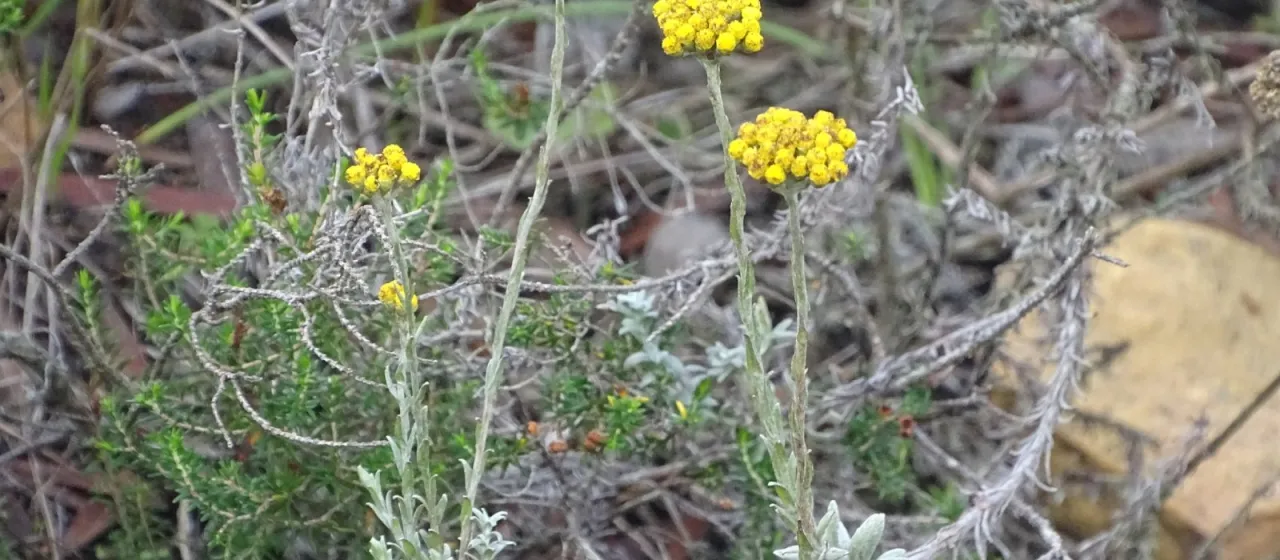
Description
Helichrysum cymosum is a perennial shrubby plant belonging to the Asteraceae family. Known for its distinct silvery foliage and dense clusters of small, bright yellow flowers, it is widely recognized in horticulture and agriculture for its hardiness and versatility in dry environments.
The origin of the species is traced back to Southern Africa, where it thrives in well-drained, nutrient-poor soils. Its distribution area covers regions with mild temperate climates. As an agricultural crop, it is cultivated in areas that mimic its natural habitat to ensure optimal growth and the high quality of its biomass.
Botanically, the plant is characterized by a sprawling growth habit reaching up to 60 cm in height. Its narrow, hairy leaves are a physiological adaptation to arid climates, allowing the plant to maintain water balance. The flowers grow in cymose inflorescences, which maintain their shape and hue long after harvest, a feature that makes them highly prized by the floral industry.
Agrotechnical requirements focus on selecting sunny locations with excellent drainage. Helichrysum cymosum is susceptible to root rot if exposed to waterlogged conditions, making soil preparation the most critical phase of cultivation. While the plant can tolerate poor soil, periodic fertilization with low-nitrogen formulas helps maintain strong stems and vibrant flowers during the peak growing season.
In terms of economic utility, this plant is primarily used as an everlasting flower in dried arrangements and for essential oil extraction. Typical pests that may affect the crop include aphids and spider mites, usually controlled via integrated pest management. Disease management is mostly preventative, focusing on preventing fungal growth through proper plant spacing and strict moisture control in the root zone.