
Description
Stinking everlasting (Helichrysum foetidum) is a herbaceous perennial plant belonging to the Asteraceae family. Although it is not a traditional grain crop, it is cultivated for its specific chemical properties and its ability to produce highly durable flowers, which makes it a valuable asset in niche agricultural markets.
Originating from Southern Africa, this species has adapted to various arid and semi-arid regions globally. Its cultivation range is generally limited to frost-free or mild-winter climates where the soil does not freeze deeply, as the root structure requires well-aerated, dry conditions to survive the dormant phase effectively.
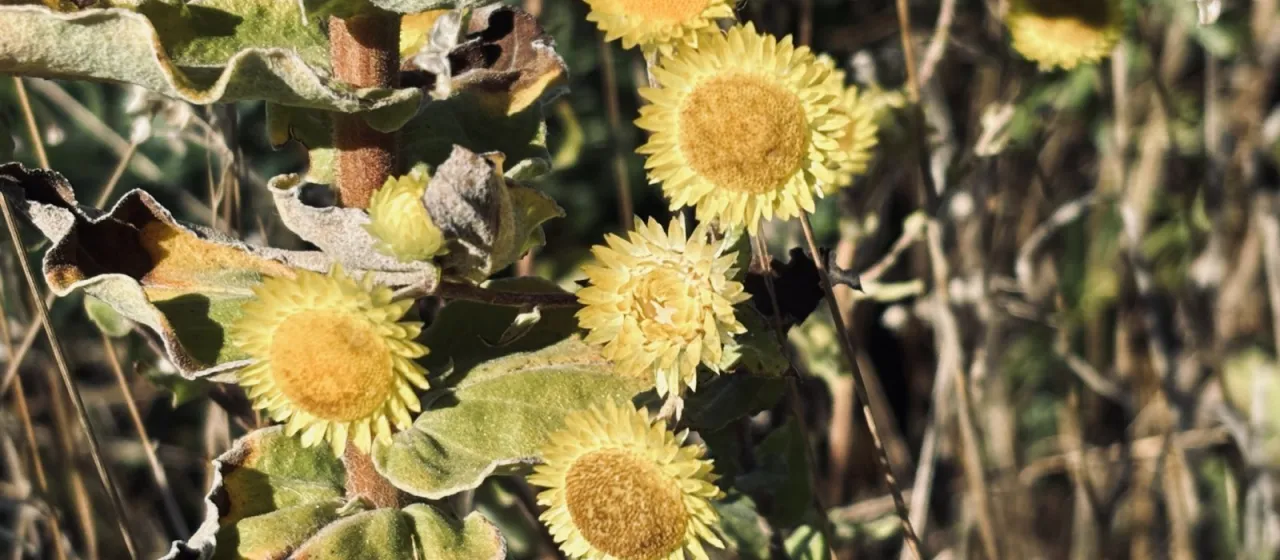
The botanical structure is marked by erect, glandular stems that possess a distinctive pungent scent. The leaves are covered in soft hairs, and the flower heads consist of paper-like bracts that prevent moisture loss. These features not only define its taxonomic position but also its utility in preserving floral integrity long after harvesting.
The agronomy of this crop centers on soil management. It thrives in poor, sandy, or stony soils that offer excellent drainage. Irrigation should be managed sparingly to prevent root rot; the plant is highly drought-tolerant once established. Regular pruning is necessary to stimulate new growth and maintain the quality of the harvested biomass.
- Commercial dry flower production for interior design.
- Extraction of essential oils and specialized organic compounds.
- Potential use as a protective barrier in permaculture systems.
The plant is relatively resistant to major agricultural pests; however, it remains susceptible to aphid infestations and fungal diseases like grey mold, typically during periods of high humidity. Effective management involves maintaining wide row spacing to ensure adequate airflow and avoiding excessive nitrogen applications, which can attract sucking insects.