
Description
Helichrysum indicum is a notable herbaceous species belonging to the Asteraceae family. Known for its robust nature, this plant has gained recognition in both ornamental horticulture and specialized agricultural production. It originates from regions characterized by temperate to warm climates, where it has developed significant resilience to heat and varying moisture conditions, making it a reliable crop for specific environments.
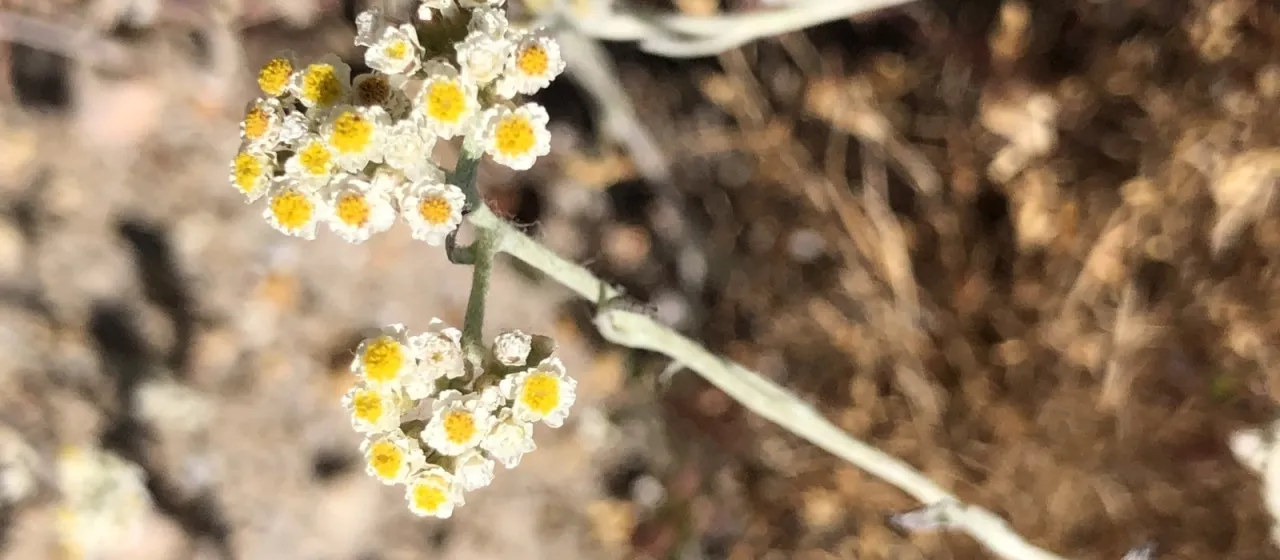
Botanically, this species is defined by its erect stems and foliage often covered with fine hairs, which help minimize water loss. The plant produces dense flower heads surrounded by papery bracts that retain their shape and color long after maturity. This structural property is a defining characteristic of the species, separating it from many other flowering plants that wilt quickly upon harvest.
Regarding climate and soil, Helichrysum indicum thrives in full sun and well-drained soil conditions. It is particularly well-suited for sandy or loamy soils that prevent waterlogging. Excessive soil moisture is the primary enemy of this crop, as it encourages root decay. Therefore, selecting a site with excellent drainage is the most crucial step before planting, regardless of whether it is grown in a field or a commercial greenhouse.
Agronomic management requires a focus on soil aeration and nutrient balance. Regular but moderate irrigation is recommended during the peak of the growing season. Nitrogen-heavy fertilizers should be avoided late in the season to prevent weak stem growth. Instead, balanced phosphorus and potassium applications are preferred to support the development of high-quality flower heads intended for the dried flower market.
Pest and disease management is essential for maintaining crop quality. Common threats include aphids and fungal pathogens like powdery mildew, especially in humid conditions. Implementing a consistent monitoring program allows for timely intervention using organic or chemical controls. Proper spacing between plants is a fundamental practice that improves air circulation, significantly reducing the risk of fungal outbreaks in dense plantings.