
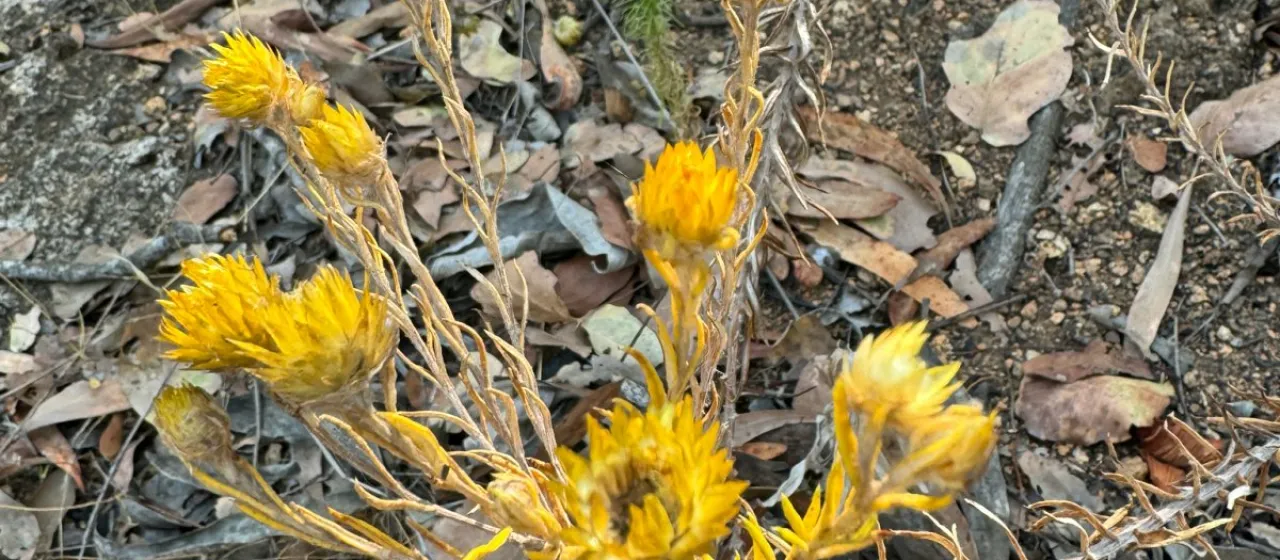
Description
Helichrysum kirkii is a perennial flowering plant belonging to the Asteraceae family. Known for its durable, "everlasting" inflorescences, this species has gained interest in the agricultural sector as a specialized ornamental crop. It is highly valued for its ability to maintain its structure and color long after the plant has been harvested and dried.
The plant originates from the diverse ecosystems of East Africa, thriving in rocky and well-drained habitats. Its natural adaptation to harsh, arid environments makes it a resilient choice for growers in specific climate zones. For commercial cultivation, the plant requires significant exposure to direct sunlight and protection from prolonged cold or heavy, water-logged soils.
Botanically, Helichrysum kirkii is characterized by its semi-shrubby growth habit and distinct foliage, which often features a light pubescence to reduce transpiration. The inflorescences are composed of dry, papery bracts that protect the small central flowers. This structural characteristic is the primary reason the plant remains attractive for so long, both in the field and in dried bouquets.
Successful management of this crop requires strict adherence to agricultural best practices:
- planting in sandy-loam soils with excellent drainage properties;
- maintaining a controlled irrigation schedule to avoid root rot;
- ensuring adequate space between plants to allow for airflow;
- applying fertilizer low in nitrogen to prevent excessive leafy growth at the expense of flowers.
The primary economic use of Helichrysum kirkii is in the floriculture industry, particularly for high-end decorative dry flower markets. Regarding crop protection, the most significant risks include fungal pathogens such as downy mildew and common garden pests like mites, which require integrated pest management strategies to keep the harvest healthy and market-ready.