
Description
Helichrysum pandurifolium is a perennial herb belonging to the Asteraceae family. Known for its distinct morphological traits, this species has gained significance in specialty agriculture, particularly for the production of high-quality dried floral materials. It stands out within the genus due to its specific leaf structure and the durability of its flower heads.
The plant originates from the regions of Southern Africa, where it has evolved to thrive in environments with seasonal drought. Its current cultivation range has expanded to various regions that prioritize drought-tolerant crops. Successful growth is typically observed in open, sunny environments where soil drainage is prioritized, reflecting the plant's natural adaptation to arid conditions.
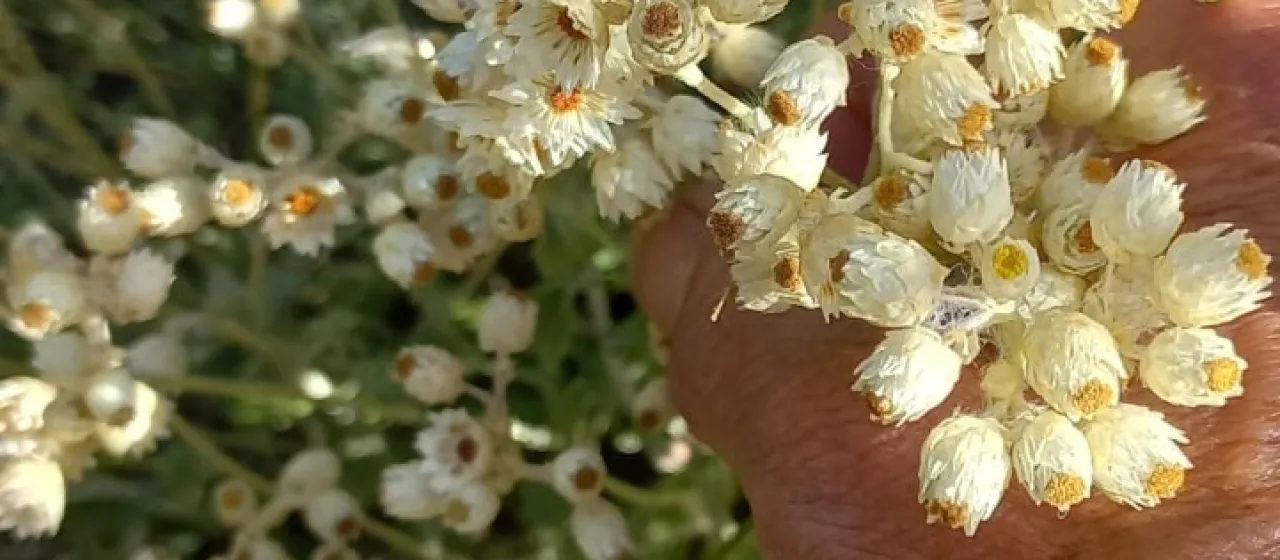
Botanically, the plant is recognized by its fiddle-shaped leaves and dense, capitulum inflorescences. The flowers are protected by papery, dry bracts, which allow the inflorescences to retain their structural integrity and coloration long after the plant has been harvested and dried. This biological feature is the primary driver behind the economic value of the species.
Agricultural requirements focus on well-draining soils, preferably sandy or stony substrates with neutral to slightly acidic pH levels. Excess moisture is the most common cause of crop failure, as the root system is prone to rot in poorly aerated or waterlogged conditions. Fertilizer application should be minimized, as the plant is naturally adapted to nutrient-poor soils.
- High tolerance to intense solar radiation
- Necessity for excellent soil drainage
- Retention of color and form after drying
- Low requirement for supplemental irrigation
The primary agricultural use of Helichrysum pandurifolium is in the floriculture sector, specifically for the commercial production of dried flowers. The harvested stalks are used in interior design and floral arrangements due to their long shelf life. Furthermore, the species is occasionally integrated into xeriscaping projects where low-water, sustainable horticultural practices are required.
Common plant health issues are predominantly related to irrigation mismanagement, leading to fungal diseases like root rot. Regarding pests, aphids and spider mites can pose risks if the crop is grown in sheltered environments or if the plants are stressed. Maintaining adequate space between plants and ensuring good air circulation are the best preventative measures for a healthy and productive crop.