
Description
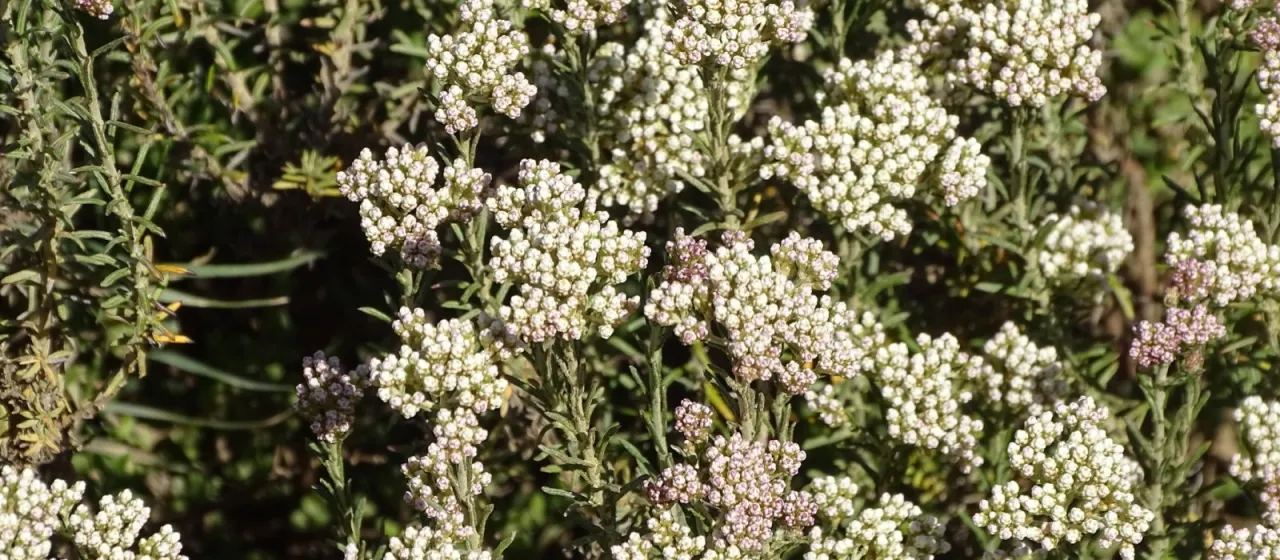
Pink everlasting (Helichrysum rosum) is a perennial herbaceous plant belonging to the Asteraceae family. This species is widely recognized for its unique, papery bracts that allow the inflorescences to maintain their structural integrity and color long after the plant has been harvested, making it a staple in the ornamental and dried flower industry.
The plant originates from the arid regions of Southern Africa, where it has evolved to thrive in sun-drenched environments with well-drained, nutrient-poor soils. Its successful cultivation worldwide depends on mimicking these natural conditions, particularly regarding soil aeration and exposure to direct sunlight throughout the growing season.
Botanically, Helichrysum rosum is characterized by slender, erect stems and lanceolate leaves, often covered in a fine tomentum that reduces transpiration. The inflorescences consist of small disk florets surrounded by dry, scale-like bracts, which give the plant its characteristic "everlasting" quality and resistance to decay.
Agricultural practices for this crop focus on soil preparation, ensuring a pH range between neutral and slightly acidic. It is crucial to avoid heavy clay soils, as they promote root rot; therefore, raised beds or sandy soils are preferred. Minimal fertilization is generally required, as over-fertilization can lead to excessive succulent growth, reducing the quality of the dried blooms.
In terms of plant health, the crop is generally resilient but susceptible to pests such as aphids and spider mites, which can be managed through integrated pest control. Disease management primarily involves preventing fungal issues, such as powdery mildew, by ensuring proper airflow between plants and avoiding overhead irrigation during humid weather conditions.