
Description
Helichrysum rugulosum is a perennial plant species belonging to the Asteraceae family. Known for its resilience and unique aesthetic properties, this crop has gained attention in niche horticultural markets and experimental agriculture due to its ability to thrive under specific ecological conditions.
Originating from the Southern African regions, the species is adapted to semi-arid environments. It has evolved to survive in habitats with periodic water shortages, making it a potentially valuable candidate for sustainable gardening and specialized farming in warmer climates with similar environmental constraints.
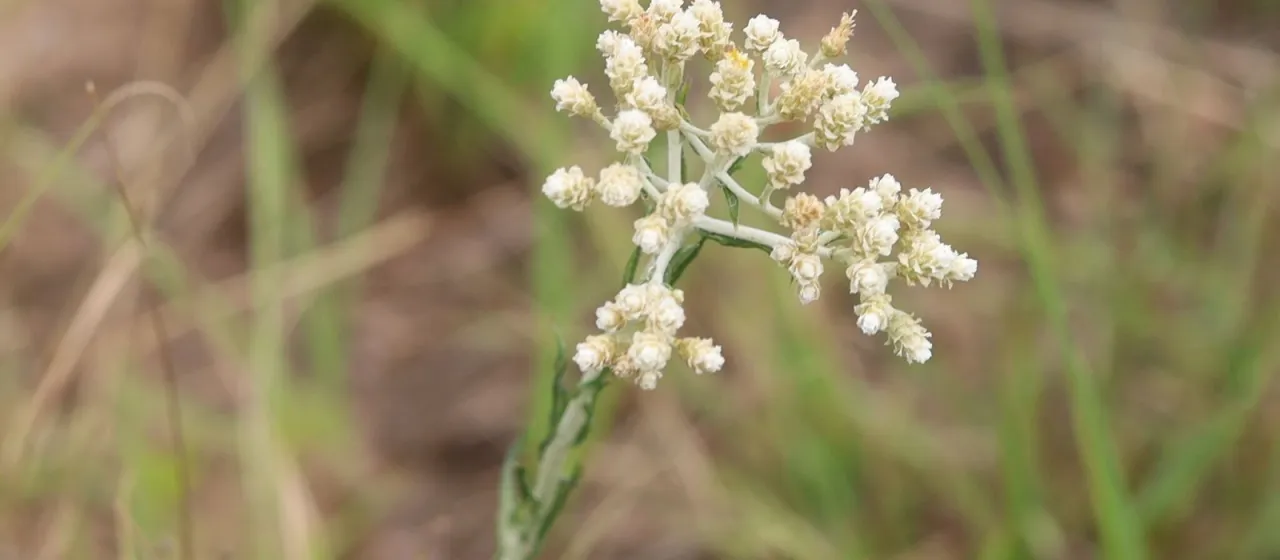
Botanically, the plant is characterized by its distinct foliage, which is often covered with fine hairs, and its long-lasting, sturdy flower heads. These structures are designed to withstand high levels of evaporation, contributing to the plant's overall hardiness. The root system is deep and efficient at extracting minerals from nutrient-poor substrates.
Agricultural requirements focus on well-drained, sandy loam soils with a neutral pH. The cultivation technique emphasizes the avoidance of waterlogging, which is the most common cause of crop failure. The plant demands high light intensity to maintain its compact growth habit and to produce healthy, vibrant blossoms during the active growing season.
The main commercial applications for the crop include dry flower production and use in landscaping for water-wise garden designs. Proper management is essential to prevent common issues such as fungal pathogens. Key maintenance practices include:
- maintaining a strictly managed irrigation schedule;
- ensuring optimal soil aeration through regular cultivation;
- applying integrated pest management to control aphids;
- harvesting at the appropriate developmental stage to ensure long-term shelf life for dry arrangements.