
Description
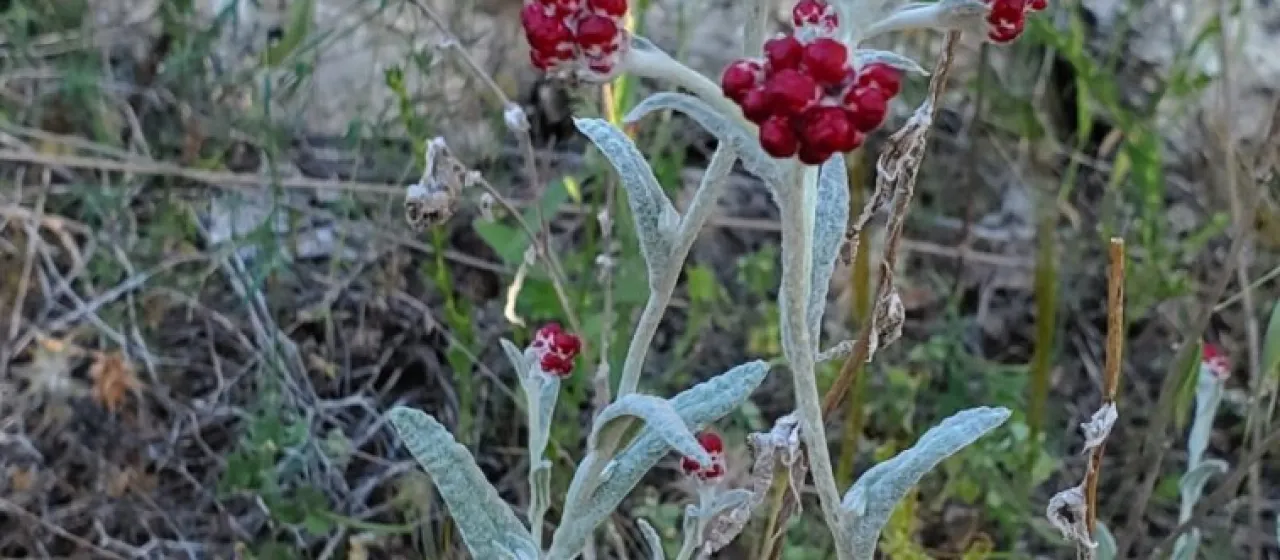
Red everlasting (lat. Helichrysum sanguineum) is a perennial herbaceous plant belonging to the Asteraceae family. Known for its distinct blood-red bracts, this crop is widely recognized in professional floriculture and the pharmaceutical industry due to its unique chemical composition and aesthetic durability.
The plant originates from the Eastern Mediterranean region and the Middle East, thriving in arid, rocky environments. In agricultural settings, it requires high levels of solar radiation and climate conditions that mimic its natural habitat, emphasizing the need for warm summers and well-aerated soils.
Botanically, the plant is characterized by silver-hairy foliage and terminal flower heads. The "petals" are actually bracts that maintain their structural integrity and vibrant pigment even after dehydration, which is the primary reason for its economic significance in the international dried flower trade.
Success in cultivating Helichrysum sanguineum depends on selecting sites with excellent drainage. It does not tolerate waterlogging, which often leads to root rot. Soils should be sandy or stony with a neutral to slightly alkaline pH. Proper spacing is essential to ensure air circulation and prevent the development of moisture-related pathogens.
- Direct seeding or plug plant establishment.
- Low fertilization requirements compared to leafy crops.
- Strategic harvesting timing to ensure flower longevity.
- Implementation of dry-farming techniques where applicable.
The crop is utilized for both ornamental bouquets and as raw material for herbal extracts. While relatively hardy, it is susceptible to pests such as aphids and spider mites, particularly in greenhouse environments. Consistent monitoring and preventive hygiene are key to maintaining healthy yields in commercial fields.