
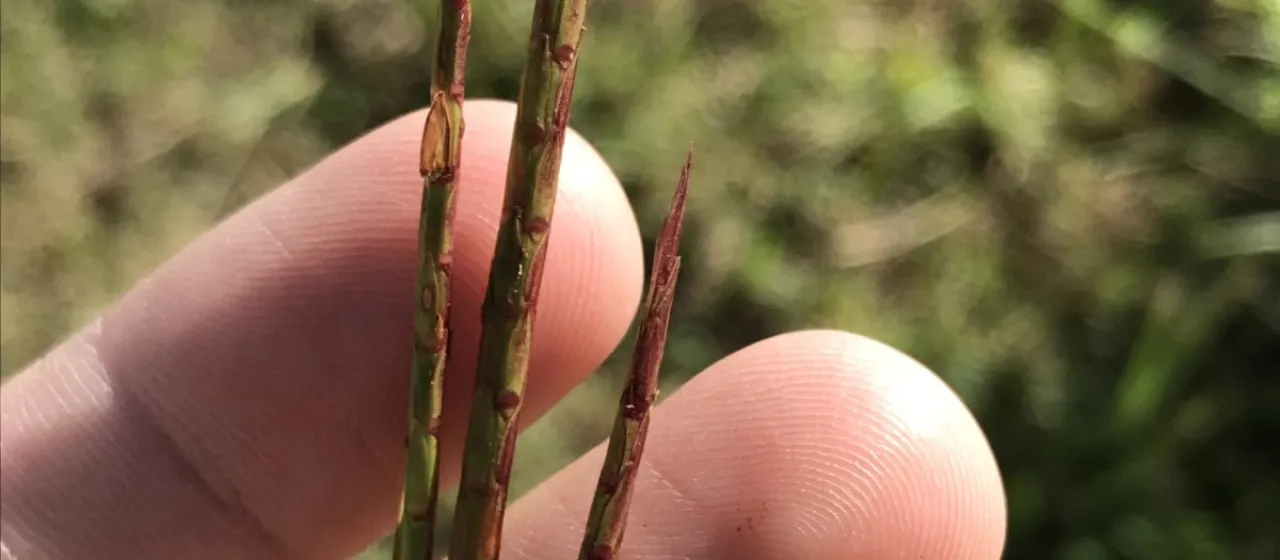
Description
Limpo grass (Hemarthria altissima) is a perennial forage grass belonging to the Poaceae family. Known for its high productivity and nutritional value, it is widely recognized in tropical and subtropical regions as a superior grazing grass for cattle and other livestock.
Originally native to Africa, Limpo grass has become naturalized in many parts of the world, including the southern United States, Australia, and various Latin American countries. Its ability to thrive in diverse environments has made it a preferred choice for land reclamation and pasture improvement projects.
The plant is characterized by its prostrate growth habit, featuring stolons that root at the nodes. This morphological adaptation allows it to form dense, resilient mats that effectively suppress weeds. Its linear leaves and elongated inflorescences are distinct markers for identification in the field.
Limpo grass is best adapted to warm climates and thrives in soils that are moist to wet. It has a notable tolerance for seasonal flooding, setting it apart from many other forage grasses. Effective management practices include controlled grazing cycles and strategic fertilization to maintain the protein content of the forage.
- Excellent persistence under heavy grazing pressure.
- High biomass production during the peak growing season.
- Good tolerance to waterlogged soil conditions.
- High palatability for cattle.
Common issues include potential infestation by aphids or soil-borne pathogens during prolonged periods of high humidity. Regular monitoring of pasture health is essential to optimize yields and prevent the spread of diseases, ensuring the long-term sustainability of the stand.