
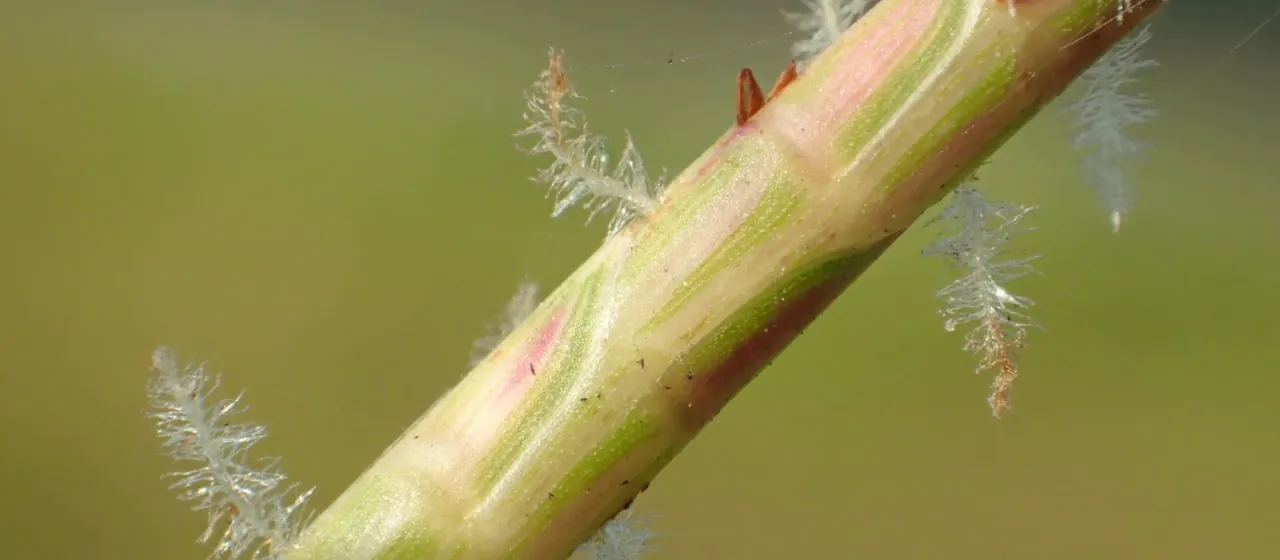
Description
Mat grass (Hemarthria compressa) is a robust perennial grass species belonging to the Poaceae family. It is widely recognized in tropical and subtropical agriculture as a productive forage plant capable of forming dense, high-quality turf. Its unique growth habit, characterized by compressed, flattened stems, makes it a distinct and valuable component of pasture ecosystems.
The origin of this species is traced back to Southeast Asia and parts of Australia. Over the decades, it has been successfully introduced to other tropical regions globally due to its resilience and biomass production capacity. It serves as an essential crop for pasture establishment in regions where traditional temperate grasses fail to thrive due to excessive heat or moisture.
Botanically, the plant is a stoloniferous grass, meaning it spreads through creeping stems that root at the nodes. This morphological adaptation allows for rapid colonization of land and stabilization of the soil surface. The leaves are narrow and linear, providing a nutritious feed source that remains palatable for livestock throughout the growing season.
Climate and soil requirements for this crop are centered on moisture and warmth. Mat grass is highly tolerant of waterlogged soils and can withstand periods of flooding that would kill most other forage species. It prefers open, sunny locations and thrives in fertile soils, though it possesses a remarkable ability to adapt to a range of soil types provided there is consistent moisture availability.
In terms of agricultural utility, it is primarily used for grazing and hay production. It is highly valued for its protein content and dry matter yield. Management practices typically involve rotational grazing and regular fertilization to maximize output. While generally hardy, the crop can be susceptible to leaf-spot diseases and specific fungal pathogens when grown in conditions of extremely high humidity and poor ventilation.