
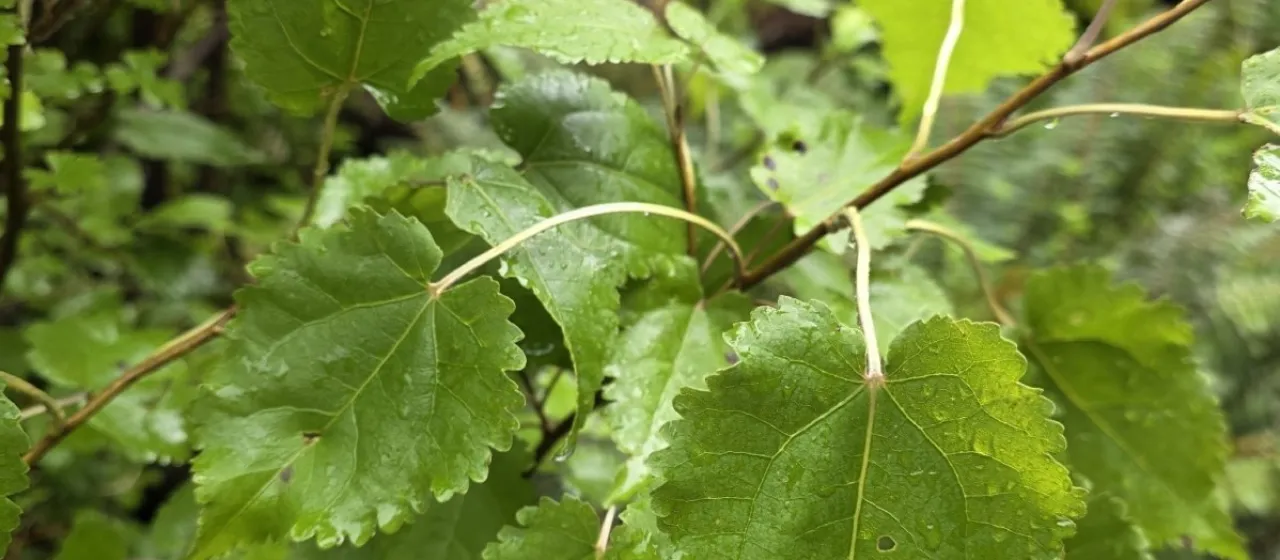
Description
Mountain ribbonwood (Hoheria glabrata) is a prominent deciduous tree species belonging to the Malvaceae family. Native to the mountainous regions of New Zealand's South Island, this tree is highly valued for its elegant habit and profuse, snow-white floral display that transforms gardens during the summer months.
The plant originates from temperate, high-rainfall environments, which dictates its preference for cool and moist growing conditions. In its natural habitat, it thrives in sub-alpine forests and river margins. Understanding these ecological origins is crucial for anyone attempting to cultivate this species in different climates.
Botanically, Hoheria glabrata is characterized by its glabrous (smooth) leaves, which lack the fine hairs found in related species. It typically grows as a small to medium-sized tree, sometimes reaching up to 10 meters in height. The bark is relatively smooth, and the overall structure is graceful, providing an excellent aesthetic appeal for landscape designers.
Cultivation requirements for Mountain ribbonwood focus on site selection and soil health. It requires deep, fertile, and well-drained soil to support its active growth. While it appreciates moisture, the root zone should never be waterlogged, as this can lead to root rot. A location with partial shade or protection from intense mid-afternoon sun is ideal for optimal foliage health.
- Provide rich organic matter in the planting hole.
- Maintain consistent soil moisture throughout the growing season.
- Prune annually to maintain the desired tree shape.
- Monitor for common pests like aphids during warm spells.
In terms of хозяйственное usage, Hoheria glabrata is primarily utilized as an ornamental specimen plant in cool-climate gardens. While generally robust, gardeners should stay vigilant against pests such as aphids or scale insects. Providing adequate airflow around the tree is the best preventative measure against fungal diseases and moisture-related stress.