
Description
Lacebark (Hoheria populnea) is a fast-growing, evergreen tree or shrub belonging to the Malvaceae family. Recognized for its elegant, poplar-like habit, it is one of the most popular ornamental species native to New Zealand, valued globally for its structural beauty and showy foliage.
Originating in the coastal and lowland forests of the North Island of New Zealand, the plant thrives in temperate climates with high humidity and mild winters. While it is hardy in many coastal regions, it generally prefers environments that mimic its natural habitat, avoiding areas with severe frost or prolonged dry spells.
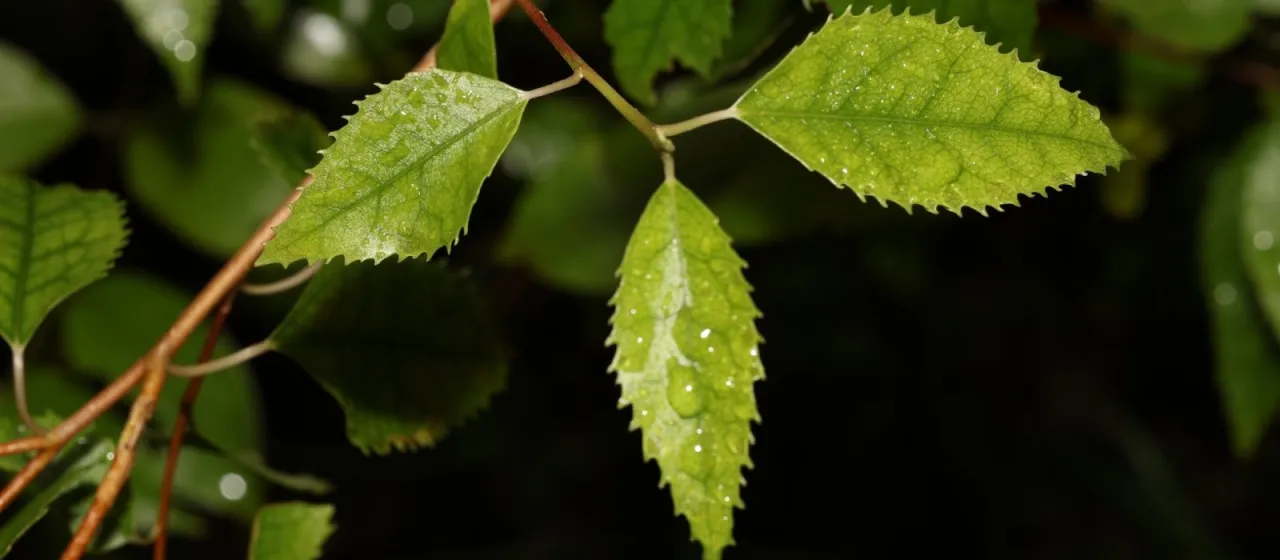
Botanically, it is distinguished by its leathery, serrated leaves and a spectacular floral display. In late summer and autumn, the tree is covered in clusters of white, star-shaped flowers with prominent stamens. This intense blooming period makes it a focal point in any garden setting during the late season.
The agronomic requirements for growing Hoheria populnea are relatively straightforward but specific. It demands fertile, humus-rich soil with excellent drainage to prevent root rot. While it enjoys a sunny position, providing light afternoon shade can protect the foliage in warmer climates, ensuring optimal growth and leaf health.
In terms of practical use, it is a premier choice for windbreaks, hedging, and specimen planting in landscaping. Historically, the inner bark was used by Māori for making cordage and textiles, an application from which the common name "Lacebark" is derived, referring to the intricate, lacy layers within the bark.
Maintenance involves managing common pests like aphids and scale insects, which can occasionally infest the branches. Proper air circulation and adequate soil moisture management are critical to preventing fungal diseases. Regular pruning after flowering helps maintain a dense, compact shape and encourages vigorous growth for the following season.