
Description
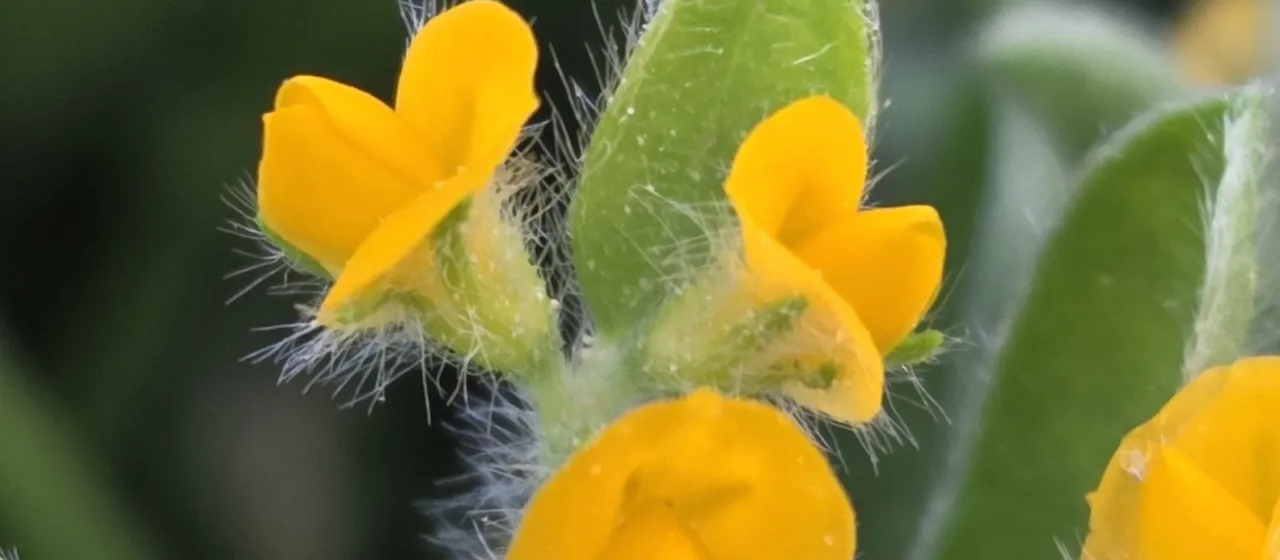
Hymenocarpos circinnatus, commonly known as the disk trefoil, is an annual leguminous plant (Fabaceae family) gaining attention as a potential forage crop for arid and semi-arid environments. Its ability to produce significant biomass in harsh, water-limited conditions makes it a subject of interest for sustainable agricultural development.
Originating from the Mediterranean basin, the species is widely distributed across Southern Europe, North Africa, and parts of Western Asia. It is natively adapted to regions characterized by hot, dry summers and mild, wet winters, which dictates its ecological niche and its specific climatic requirements for successful establishment.
Botanically, the plant is characterized by its prostrate or ascending stems and pinnate leaves. The most distinct feature of Hymenocarpos circinnatus is its unique, coiled pod that curls into a flat, circular disk shape. The root system is relatively deep for an annual, allowing the plant to scavenge for moisture and nutrients effectively.
In terms of agronomy, the plant thrives in well-drained, alkaline or neutral soils, showing a preference for sandy or stony textures. It is highly intolerant of waterlogging and heavy clay soils, which can induce physiological stress. Cultivation practices should focus on early-season sowing to capitalize on spring moisture, with minimal irrigation requirements thereafter.
The primary agricultural applications include:
- Serving as a nutritious forage source for small ruminants like sheep and goats.
- Functioning as a cover crop for soil enrichment through symbiotic nitrogen fixation.
- Utilization in land reclamation projects to stabilize arid, disturbed soils.
Common agricultural challenges include susceptibility to soil-borne pathogens, such as Rhizoctonia or Fusarium species, particularly if soil drainage is compromised. Additionally, pests such as aphids and various weevils can damage the developing pods and foliage, requiring careful monitoring during the flowering and seed-filling stages to ensure optimal yields.