
Description
Hymenocarpos lotoides is an annual herbaceous plant belonging to the Fabaceae (legume) family. It is a resilient species known for its remarkable ability to thrive in challenging, arid environments where moisture is often limited during the growing season.
The plant originates from the Mediterranean region and parts of North Africa and Western Asia. Its natural habitat includes rocky slopes, sandy plains, and disturbed soils, reflecting its high tolerance for poor nutrient conditions and intense solar radiation.
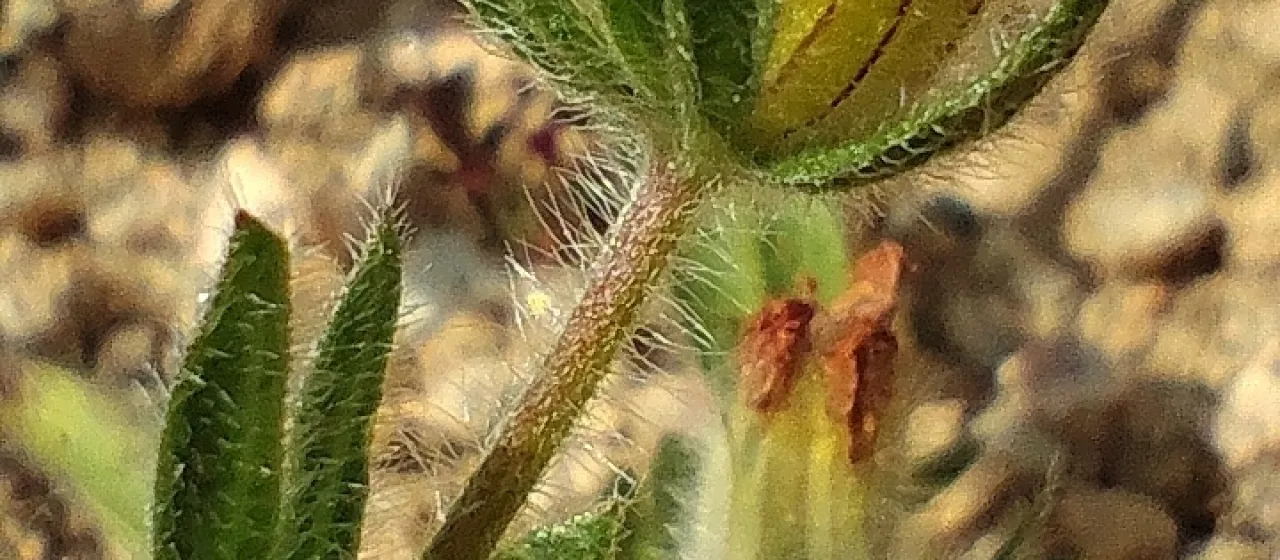
Botanically, it is characterized by its spreading growth habit and distinctive pod structures. Its foliage is composed of compound leaves, and its root system is highly efficient at water uptake, which is a critical adaptation for survival in drought-prone climates.
From an agronomic perspective, Hymenocarpos lotoides requires well-drained soil to prevent root rot, which is its primary vulnerability in wetter environments. It performs best in Mediterranean-type climates, preferring full sun exposure. In terms of cultivation, it is relatively low-maintenance, as it does not require significant inputs of synthetic nitrogen fertilizers.
The primary agricultural use is as a hardy forage plant for livestock, particularly in pastoral systems in arid zones. Additionally, it serves as a valuable cover crop for soil enrichment, as it fixes atmospheric nitrogen, thereby improving soil fertility for subsequent crop cycles. The plant remains relatively resistant to common agricultural pests, although monitoring for seed-eating insects during the pod-filling stage is recommended.