
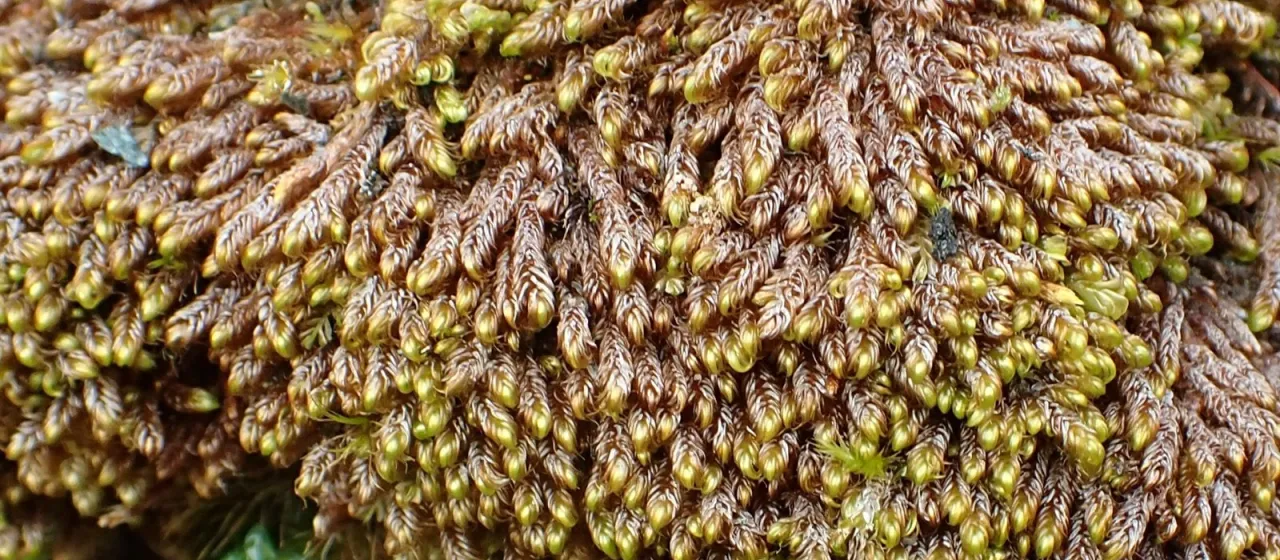
Description
Hypnum bambergeri, commonly known as the Bambergs Hypnum moss, is a significant species within the Hypnaceae family. While not an agricultural crop in the commercial sense, it represents a vital component of the circumpolar flora and is essential for soil stability in extreme northern latitudes.
The species is primarily distributed throughout the arctic and subarctic regions of the Northern Hemisphere, as well as in select alpine locations. Its native habitat includes cold, moist areas where it thrives on rocky surfaces, particularly those composed of limestone or other calcareous materials, which are crucial for its survival.
Botanically, the plant is characterized by its compact, gold-hued mats and intricate, branched stems. The leaves are typically falcate-secund, an adaptation that allows the plant to maximize water retention and photosynthetic efficiency during the short, intense growing seasons of the tundra.
Regarding its environmental requirements, the moss is strictly a calcicole, meaning it thrives in high-pH, alkaline soils. It does not require artificial cultivation or fertilization; in fact, its physiological makeup is specifically calibrated to survive in nutrient-poor environments where standard crop management would be detrimental to its growth.
The primary utility of this moss lies in its ecological function as a soil stabilizer and a bio-indicator. It is not prone to agricultural pests or common plant diseases, but it is highly susceptible to climate-induced habitat loss. Conservation efforts focus on protecting its pristine environment from industrial encroachment and soil degradation.