
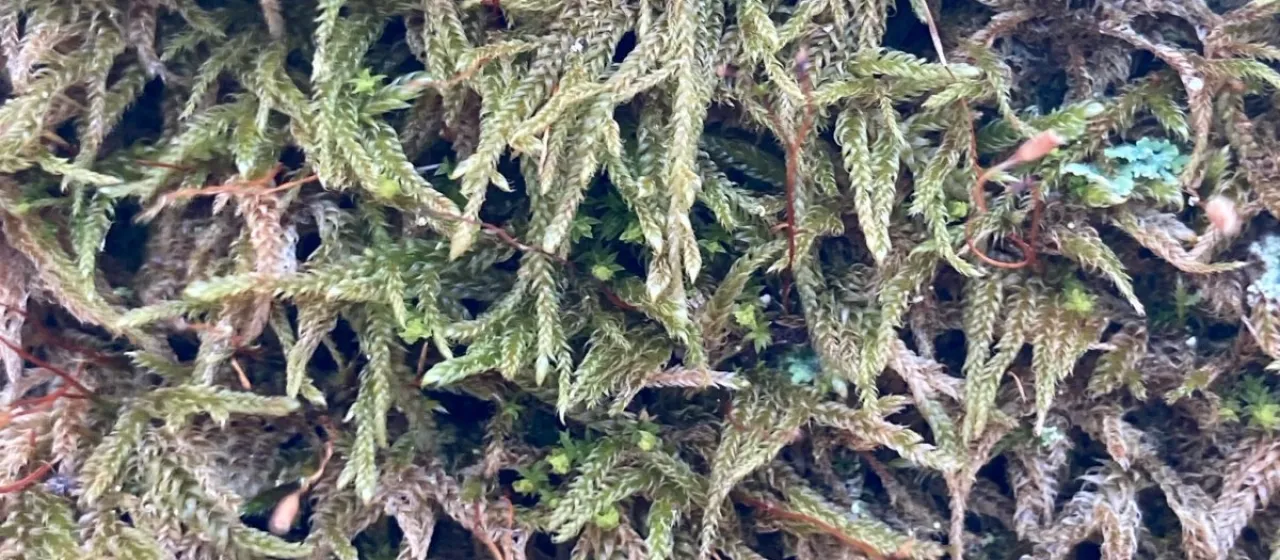
Description
Hypnum mammillatum is a species of feather moss belonging to the Hypnaceae family. It is a perennial bryophyte that forms dense, often lustrous mats or carpets on various substrates. While not a conventional agricultural crop, it is gaining significant attention in specialized horticulture, landscaping, and indoor botanical design due to its aesthetic appeal and ecological utility.
In its natural habitat, the species is found primarily in temperate forest regions across the Northern Hemisphere. It prefers shaded, humid environments where it thrives on damp forest floors, decaying logs, and rock surfaces. Hypnum mammillatum plays a vital role in moisture retention within forest ecosystems, contributing to the development of the organic soil layer.
Botanically, Hypnum mammillatum is characterized by pinnate branching and small papillae on its leaves, which distinguishes it from other similar species in the genus. The plant exhibits remarkable regenerative capabilities, allowing it to spread efficiently through vegetative propagation. Its stems are highly elastic and capable of storing water, which helps the colony withstand short periods of substrate drying.
Successful cultivation of this moss requires strict adherence to environmental parameters. High ambient humidity is crucial, and the plants must be protected from direct sunlight to prevent desiccation. The growing medium should be slightly acidic to neutral, well-aerated, and consistently moist. Agrotechnical practices focus on mimicking the forest microclimate, typically involving mist irrigation systems and temperature control within a temperate range.
The primary uses for this moss revolve around decorative and environmental applications. It is widely used in vivariums, paludariums, and indoor vertical gardens due to its ability to thrive in controlled environments and its high ornamental value.
- Creation of green carpets in shaded garden landscapes.
- Use in terrariums and moss art installations.
- Biological control of erosion on small, damp garden slopes.
Typical diseases affecting Hypnum mammillatum include fungal rots that occur due to stagnant air and excessive moisture saturation, which can damage the delicate moss mats. Pests like slugs and certain soil nematodes can also cause physical damage. Prevention involves ensuring proper airflow, maintaining substrate drainage, and practicing regular inspection of the colonies.