
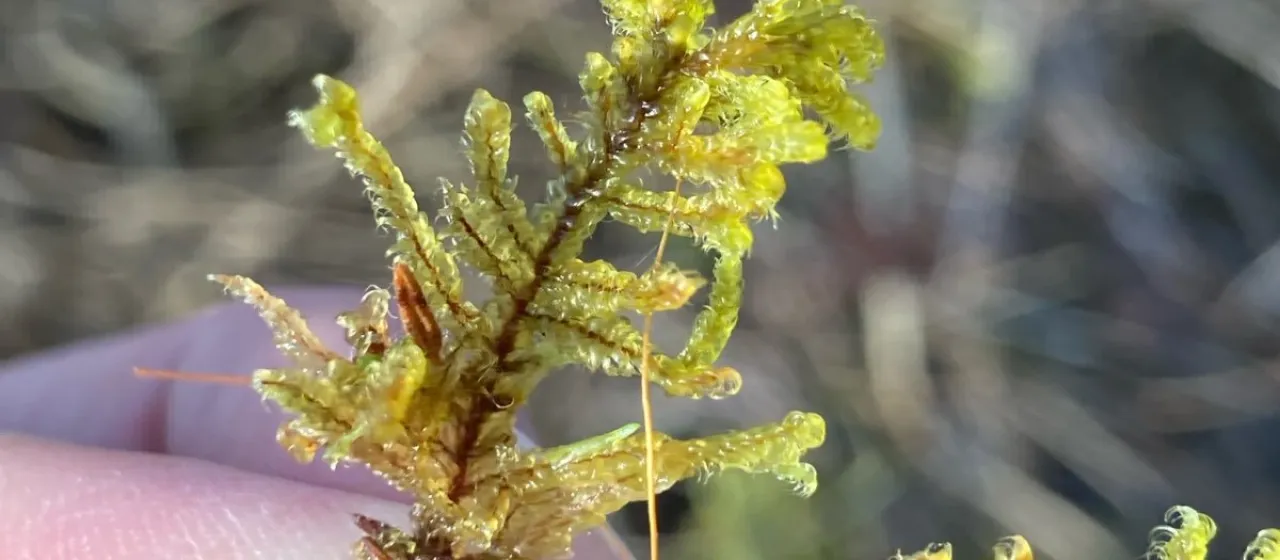
Description
Hypnum imponens is a species of pleurocarpous moss belonging to the Hypnaceae family. While not an agricultural commodity in terms of food production, it is highly valued in the horticultural industry for its lush, carpet-forming habits. It serves as an essential component in specialized nursery production for terrariums, vivariums, and shaded ornamental garden landscapes.
The native distribution of this species spans temperate forests across the Northern Hemisphere. It typically thrives in cool, humid environments, colonizing decaying logs, rocky substrates, and acidic forest floors. Its wide geographic range is a testament to its hardiness, provided the environmental humidity remains stable and consistent throughout the growing season.
Botanically, Hypnum imponens features pinnately branched stems that create a dense, creeping mat. The leaves are typically lanceolate and slightly falcate, which helps the moss effectively trap ambient moisture. It anchors itself to surfaces using rhizoids, allowing it to grow across uneven textures such as bark, stones, or nutrient-poor soil, acting as a natural soil stabilizer.
Cultivation practices for this species are specific and require careful attention to its ecological needs:
- maintaining high atmospheric humidity;
- ensuring the substrate remains moist but not waterlogged;
- providing bright, indirect light;
- keeping the temperature range within cool-to-moderate levels;
- maintaining slightly acidic pH levels for optimal growth.
The primary economic use is in the niche market of botanical landscaping and the hobbyist trade. It is particularly popular for creating naturalistic displays in enclosures or miniature gardens. Potential threats to health include fungal pathogens due to poor air circulation and dehydration during extreme heat. Integrated pest management focuses primarily on preventing fungal outbreaks through ventilation and controlled irrigation.